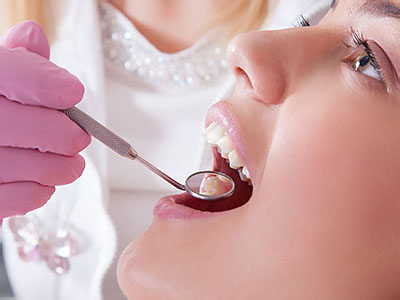
Call Us Today!
(718) 347-6262


When decay or minor damage alters a tooth’s shape or undermines its strength, a filling is often the simplest, most effective way to restore function and prevent further problems. A well-placed filling rebuilds lost tooth structure, seals out bacteria, and helps teeth withstand chewing forces so your smile remains healthy and comfortable.
Dental caries remain one of the most common oral health issues across age groups, so fillings are among the most frequently performed restorative procedures in modern dentistry. Because these treatments are routine, practiced hands and reliable materials allow clinicians to focus on precision, conservative tooth preparation, and aesthetic outcomes.
At the office of David M. Goldberg, DDS, we emphasize gentle techniques and modern materials that preserve as much natural tooth as possible while delivering durable, discreet restorations. Our aim is to repair the tooth with minimal intervention, returning it to function while blending seamlessly with the rest of the dentition.
Humans have attempted to repair damaged teeth for millennia, and archaeological evidence shows that early attempts at filling or sealing cavities date back thousands of years. Over time, restorative methods evolved from simple plugs to more advanced metal alloys and, eventually, to today's biocompatible, tooth-colored materials.
The 19th and 20th centuries introduced widely used metallic restoratives such as gold and amalgam, valued for their strength and longevity. In the latter half of the 20th century, advances in adhesive dentistry and ceramic technology created reliable alternatives that address both function and appearance.
Contemporary dentistry balances the long-term performance of traditional materials with the aesthetic benefits and conservative preparation techniques enabled by modern composites, ceramics, and glass ionomers. That evolution gives patients more options to match their clinical needs and cosmetic preferences.
Our approach is rooted in preserving healthy tooth structure and selecting the restorative material best suited to each tooth’s location, the extent of decay, and the patient’s oral habits. We discuss options clearly, explain the rationale behind recommended treatments, and involve patients in decision-making so care aligns with expectations.
For many restorations, this means using adhesive techniques that bond directly to enamel and dentin, allowing smaller preparations and a stronger interface between the tooth and the filling. In other cases, an indirect restoration such as an inlay or onlay provides enhanced wear resistance for larger defects.
Precision, proper isolation, and careful finishing are as important as the choice of material. By combining modern materials with meticulous technique, we aim to deliver restorations that are both long-lasting and unobtrusive.
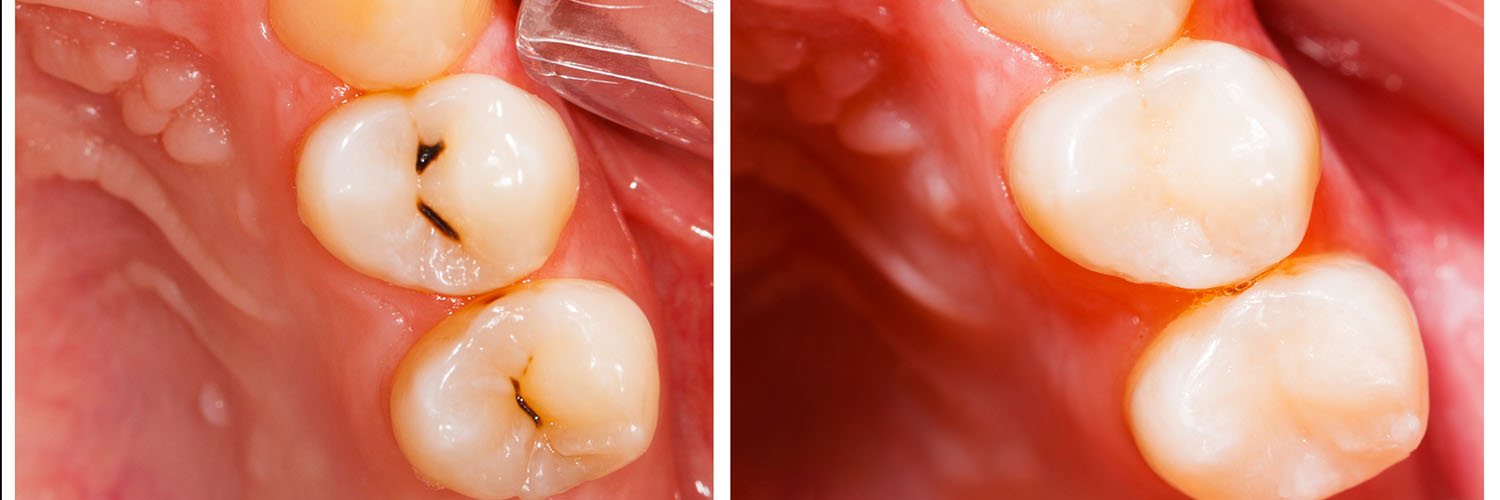
There is no single “best” filling material for every situation. Selection depends on factors such as the size and location of the cavity, whether the tooth undergoes heavy biting forces, aesthetic priorities, and the goal of preserving tooth structure. Understanding the options helps patients make informed choices with their clinician.
Contemporary options range from directly placed, tooth-colored composites to lab-fabricated ceramic inlays. Each material has predictable strengths and limitations; matching those properties to the clinical situation is the key to a successful outcome.
Composites are resin materials that can be shaded to match surrounding teeth and are placed directly in the prepared tooth. They bond to the tooth surface, which can strengthen thin or fragile areas and allow for more conservative preparations. Composites are versatile—used for small to moderate cavities, aesthetic repairs, and direct bonding procedures that refine a tooth’s shape.
Because they are layered and cured in place, composites require a dry working field and careful placement to ensure longevity. With appropriate technique and maintenance, composites provide a natural appearance and reliable function for many patients.
Amalgam restorations are made from a metal alloy and have a long history of dependable performance, especially in situations where strong abrasion resistance is required. They are typically indicated for posterior teeth where heavy chewing forces are present and aesthetic concerns are secondary.
Glass ionomer materials chemically bond to tooth structure and gradually release fluoride, which can be helpful for patients at higher risk of recurrent decay. They are often used in pediatric dentistry, for restorations near the gumline, or as provisional restorations when a more durable solution will be placed later.
Ceramic restorations are fabricated outside the mouth and then bonded into place. They offer excellent wear resistance and superior aesthetics, making them a strong choice for larger restorations where strength and appearance are both priorities. Because they are manufactured in a lab, ceramics require precise impressions or digital scans and a separate placement appointment.
Gold remains a high-performing restorative material with excellent longevity and biocompatibility. While less commonly chosen today due to aesthetic preferences, gold is still used in select cases where durability and a precise fit are required.
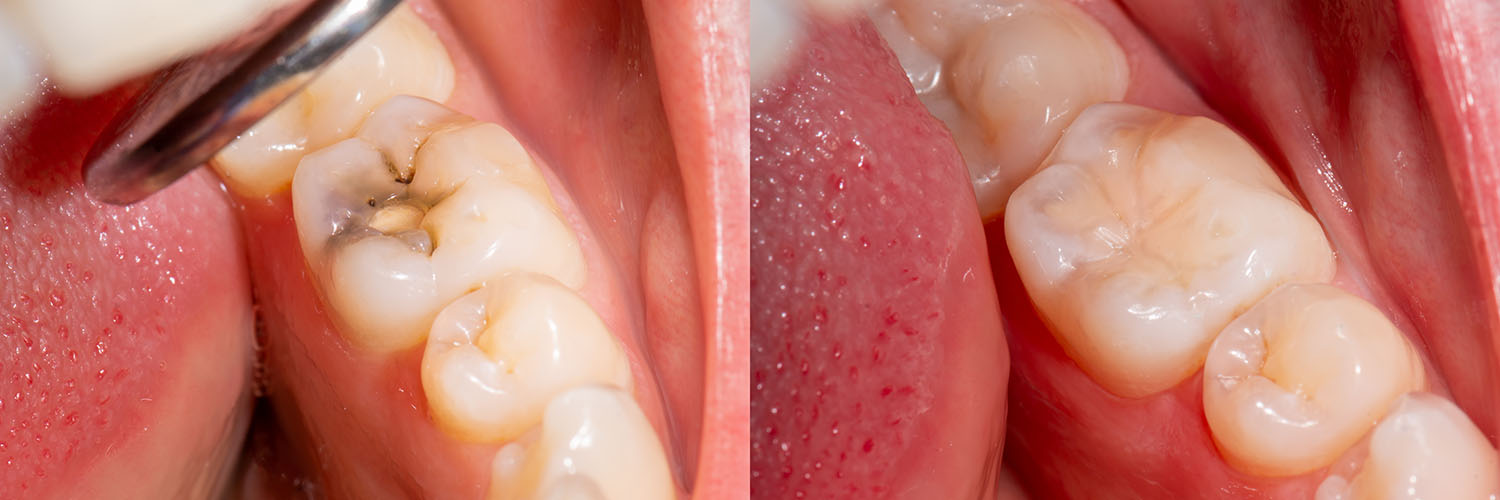
When a cavity requires treatment, we begin with a thorough evaluation that may include visual inspection, probing, and digital radiographs or scans as needed. After discussing the findings and the recommended approach, we plan the restoration to minimize the number of visits and maximize the outcome.
Treatment typically involves removing the decayed tissue, preparing the remaining tooth structure to receive the chosen restorative material, and placing the filling. Most routine fillings are completed in a single visit and are performed under local anesthesia so the tooth and surrounding tissues remain comfortable throughout the procedure.
Clinicians may use traditional rotary instruments, air abrasion, or laser technologies depending on the clinical situation and the operator’s assessment. For larger defects, a temporary material may be placed while a definitive indirect restoration is fabricated. Throughout the visit, attention to isolation and bonding protocols helps ensure the restoration’s longevity.
For patients who experience dental anxiety, we offer options to improve comfort during treatment, including relaxation techniques and various levels of dental sedation when appropriate. We discuss these choices beforehand so patients understand what to expect.
Once a filling is in place, simple habits and awareness go a long way toward preserving it. Good daily hygiene—brushing twice with fluoride toothpaste, cleaning between teeth, and maintaining regular professional care—helps prevent new decay at the margins of restorations.
Immediately after treatment, it’s normal to notice temporary changes in sensation or bite while the tooth adapts. Most minor sensitivity resolves within days; persistent discomfort or signs of an incorrect bite should be reported so adjustments can be made.
With proper care and routine dental examinations, restorations can remain functional for many years. During checkups, we evaluate the integrity of fillings, monitor for wear, and advise when replacement or additional treatment is indicated to protect the tooth.
Protect yourself while numb
Local anesthesia can leave lips, cheeks, and tongue numb for an hour or more. Avoid chewing until sensation returns to prevent inadvertent injury.
Expect short-term sensitivity
Some teeth are temporarily sensitive to hot, cold, or pressure after restoration. This usually subsides as the tooth recovers; contact the office if sensitivity worsens or persists.
Watch your bite
Occasionally a filling may feel high or interfere with chewing. If you notice persistent unevenness, we can refine the restoration to restore comfortable function.
Maintain regular care
Daily oral hygiene and routine dental visits help extend the life of restorations and detect early changes before more extensive treatment is needed.
We encourage patients to reach out with any questions after treatment so minor concerns can be addressed promptly and outcomes remain predictable.
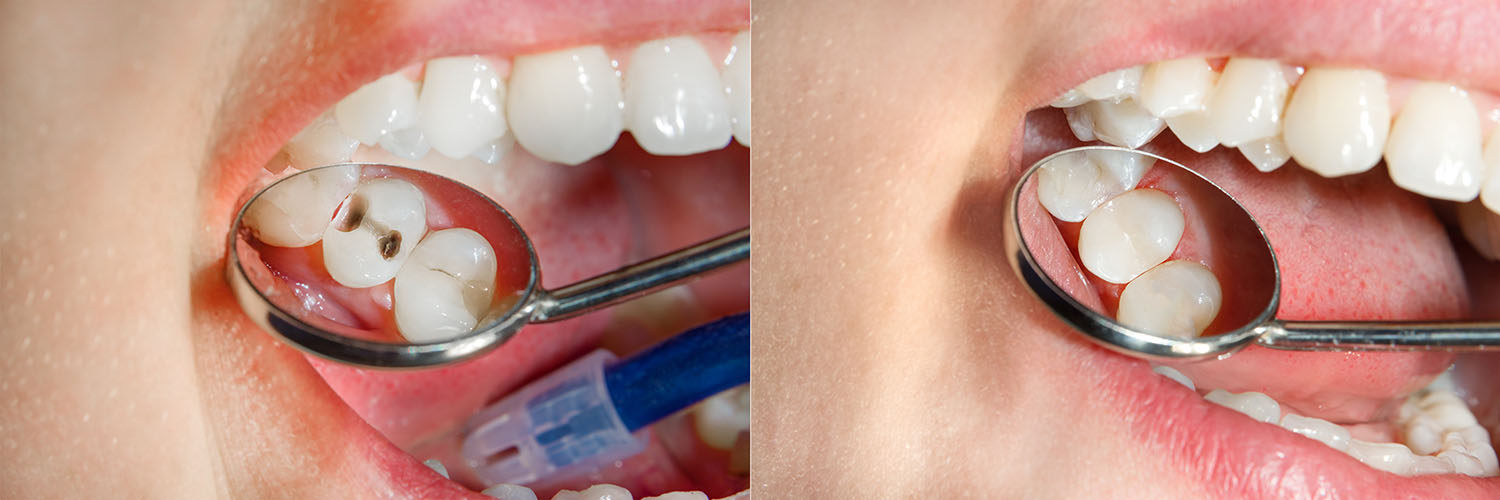
In summary, dental fillings are a foundational restorative tool for stopping decay, rebuilding tooth form, and protecting oral health. By choosing the right material for the specific situation and following careful clinical protocols, clinicians can provide restorations that are both functional and visually unobtrusive. Contact our office for more information about filling options or to schedule an evaluation—our team is available to answer questions and guide you through the process.
Dental fillings are restorative materials placed into a tooth to replace decayed or damaged tissue and restore normal form and function. They seal the area where bacteria entered and help prevent further breakdown of the tooth structure. Properly placed fillings restore chewing ability and reduce sensitivity so the tooth can return to comfortable use.
Fillings are among the most common restorative procedures in dentistry because cavities and minor fractures are widespread across age groups. Clinicians aim to remove only diseased tissue and preserve as much healthy tooth as possible while creating a durable seal. Choosing the right material and technique helps the restoration blend with surrounding teeth and last longer under normal use.
A variety of materials are used for fillings, including tooth-colored composites, glass ionomer cements, amalgam, lab-fabricated ceramics, and gold alloys. Selection depends on factors such as the size and location of the defect, the amount of remaining tooth structure, the patient’s bite forces, and aesthetic priorities. The clinician balances durability, conservation of tooth structure, and appearance when recommending a material.
Direct materials like composite and glass ionomer are placed in one visit and bond to the tooth, allowing more conservative preparations. Indirect options such as ceramic inlays or onlays are fabricated outside the mouth when larger coverage or enhanced wear resistance is needed. In every case, proper isolation and bonding protocols are key to long-term success.
The lifespan of a filling varies with the material used, the size and location of the restoration, and the patient’s oral environment. Smaller, well-placed restorations in low-stress areas often last many years, while larger or posterior restorations that bear heavy chewing forces may require replacement sooner. Parafunctional habits such as grinding, poor oral hygiene, and recurrent decay at restoration margins can shorten a filling’s useful life.
Regular dental examinations allow clinicians to monitor wear, marginal breakdown, and secondary decay so issues can be addressed before more extensive treatment is needed. Timely maintenance, including polishing or replacing worn margins, helps preserve both the restoration and the underlying tooth. Good home care and attention to diet also play important roles in extending the serviceable life of restorations.
A filling appointment begins with a clinical assessment that may include visual inspection and digital radiographs or scans to determine the extent of decay. After discussing options, the clinician administers local anesthesia to ensure comfort, isolates the tooth to keep the field dry, and removes decayed tissue using rotary instruments, air abrasion, or laser technology as appropriate. The chosen restorative material is then placed, shaped, and finished to restore proper anatomy and contact with adjacent teeth.
For direct restorations the entire procedure is usually completed in a single visit, while larger defects may require a temporary restoration followed by a lab-fabricated inlay or onlay at a second appointment. The dentist checks and adjusts the bite so the restoration does not interfere with chewing. Patients who experience anxiety can discuss relaxation techniques or sedation options prior to treatment to improve comfort during the visit.
Local anesthesia is typically used for fillings to eliminate pain during the procedure, so most patients feel only pressure or vibration rather than discomfort. The anesthetic effect can last an hour or more after the appointment, and patients should avoid chewing on the numb side until sensation returns to prevent accidental injury. If anxiety is a concern, discussing available comfort options with the clinical team before treatment can help ensure a calmer experience.
After the anesthetic wears off, some teeth may exhibit short-term sensitivity to hot, cold, or pressure while the tooth adjusts to the restoration. This sensitivity commonly resolves within days to weeks, but persistent or worsening pain may indicate a need for adjustment or further evaluation. Patients are encouraged to contact the office if they experience prolonged discomfort, sharp pain, or any signs of infection so clinicians can address the issue promptly.
Good oral hygiene is the foundation of long-term success for any filling; brush twice daily with fluoride toothpaste and clean between teeth daily to minimize recurrent decay at restoration margins. Avoid chewing hard or excessively sticky foods on a newly placed restoration until any temporary sensitivity has resolved, and follow any specific post-op instructions provided by the dentist. If the area was anesthetized, wait until normal sensation returns before eating to avoid biting soft tissues.
Attend regular dental checkups so the dentist can evaluate the integrity of restorations, monitor wear, and recommend preventive measures as needed. Night guards can protect restorations for patients who grind or clench, and targeted fluoride treatments or sealants may be advised for those at higher risk of decay. Early detection of marginal breakdown or secondary caries allows for conservative repair rather than more extensive treatment later on.
Fillings are ideal for small to moderate defects, but when a tooth has extensive structural loss, multiple missing cusps, or fractures that compromise strength, an indirect restoration such as an onlay or crown is often the better choice. These restorations provide full or partial coverage to protect the remaining tooth structure and distribute biting forces more evenly. Teeth with large restorations or after root canal therapy frequently benefit from additional coverage to reduce the risk of future fracture.
The decision to move from a direct filling to an indirect restoration is based on clinical assessment of remaining tooth strength, occlusal forces, and long-term prognosis. Indirect restorations are fabricated from durable materials such as ceramic or gold and require precise impressions or digital scans for an accurate fit. Your dentist will explain the factors that influence this choice and recommend the option that best preserves tooth function and integrity.
Tooth-colored composite restorations are widely used and considered safe for most patients; they are made from resin materials that can be shaded to closely match surrounding enamel. Composites bond to enamel and dentin, which allows more conservative preparations and helps restore natural contours and appearance. When placed with proper isolation and layering technique, composites produce results that are both aesthetic and functional.
For larger restorations where additional strength and wear resistance are needed, lab-fabricated ceramic inlays or onlays offer superior aesthetics and longevity. Your dentist can demonstrate shade options and explain how different materials will look and perform in your mouth. Choosing the right material involves balancing cosmetic expectations with functional demands and the clinical situation at hand.
Many restorative options used for adults are also appropriate for children, but pediatric care often emphasizes minimally invasive approaches and materials suited to a child’s specific needs. Glass ionomer cements, which release fluoride and bond chemically to tooth structure, are commonly used for primary teeth or for restorations near the gumline. Composite resins are also used for aesthetic restorations and can be selected when a longer-lasting, tooth-colored result is desired.
Behavioral management, tooth eruption stage, and the expected lifespan of the primary tooth influence material choice and treatment planning in children. Preventive measures such as topical fluoride, sealants on newly erupted molars, and routine monitoring help reduce the need for future restorations. Pediatric dentists and general dentists experienced with children tailor their techniques to create a positive, low-stress experience while focusing on long-term oral health.
Preventing future cavities centers on consistent daily oral hygiene, a balanced diet low in fermentable sugars, and regular professional care to catch early signs of decay. Fluoride toothpaste and targeted fluoride treatments strengthen enamel and reduce susceptibility to decay, while dental sealants protect deep grooves on chewing surfaces where food can become trapped. Managing habits such as frequent snacking and addressing dry mouth or other medical factors that increase caries risk also contributes to long-term protection.
Routine dental examinations and cleanings allow clinicians to identify small problems before they require invasive treatment and to provide personalized prevention strategies. If you have concerns about grinding, tooth sensitivity, or a history of rapid decay, the team at the office of David M. Goldberg, DDS can discuss tailored preventive measures and monitoring. Early intervention and consistent home care are the most effective ways to preserve natural teeth and minimize the need for future restorations.