Call Us Today!
(718) 347-6262


At the office of David M. Goldberg, DDS, our priority is to preserve natural teeth whenever it is safe and practical. That said, there are circumstances where removing a tooth is the most responsible step to protect your oral health and comfort. Extractions are recommended only after a careful evaluation that weighs immediate needs against long-term outcomes.
Tooth removal can relieve pain, stop the spread of infection, and prevent damage to neighboring teeth and supporting tissues. Because every mouth is different, we take time to review your medical history, current symptoms, and diagnostic imaging so that the treatment plan is tailored to your condition and overall health.
When extraction is recommended, our goal is to carry out the procedure as gently and efficiently as possible while clearly explaining what to expect before, during, and after the appointment. We also review restorative options so you understand the path to a stable, functional smile once healing is complete.
An over-retained primary (baby) tooth or a severely damaged deciduous tooth
Primary teeth usually make way for permanent teeth on schedule. When a baby tooth fails to loosen and remains fused to the bone or does not resorb properly, it can block eruption of the adult tooth and disrupt normal development. Removing an over-retained primary tooth is sometimes the most effective way to allow the permanent tooth to erupt and to protect long-term alignment.
A permanent tooth with extensive decay that cannot be restored
Untreated decay progressively destroys tooth structure and can reach the pulp, leading to pain and infection. When the damage compromises the structural integrity of the tooth to the point where restoration would be unreliable, extraction can remove a source of infection and prevent damage to adjacent teeth and tissues.
A tooth that is fractured beyond repair
Cracks and fractures range from minor chips to splits that extend through the root. If a fracture extends into critical areas of the tooth or compromises the root, saving the tooth may not be possible. Extracting an unsalvageable tooth prevents further pain and complications.
Advanced periodontal (gum) disease affecting tooth support
Severe periodontal disease undermines the bone and soft tissues that hold teeth in place. When a tooth becomes mobile or the supporting structures are extensively lost, removal may be necessary to protect surrounding teeth and reduce chronic infection.
Wisdom teeth that are impacted, poorly positioned, or diseased
Third molars commonly run out of space as the jaw fully develops. When wisdom teeth erupt improperly, become decayed, or threaten adjacent teeth, timely removal can prevent recurrent problems, chronic discomfort, and damage to neighboring structures.
Extractions as part of orthodontic treatment
In some orthodontic plans, removing one or more permanent teeth is the most effective way to create space, correct crowding, and achieve a balanced bite. These decisions are made carefully in coordination with your orthodontic provider to support predictable alignment outcomes.
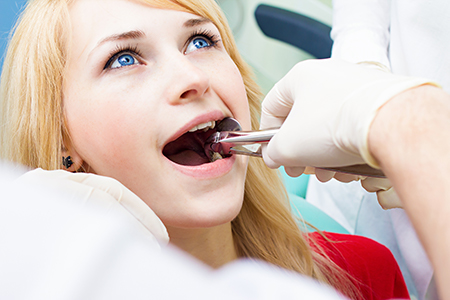
Before any extraction, we conduct a thorough assessment that includes reviewing your medical history, current medications, and any conditions that could affect treatment. Diagnostic imaging—often digital radiographs—is used to evaluate root structure, bone levels, and the relationship of the tooth to surrounding anatomy so we can plan the safest approach.
We discuss anesthesia and comfort options based on the complexity of the extraction and your personal preferences. Most procedures use a local anesthetic to numb the area, and additional sedation can be offered for patients who experience anxiety or for more invasive surgical procedures.
Our team will explain the procedural steps, expected duration, and any preoperative instructions you should follow. If there are medical concerns that warrant consultation with your physician or specialist referral, we’ll coordinate that as part of the care process.
Simple extractions are appropriate when the tooth is visible in the mouth and the roots are straightforward in shape. Once the area is fully numb, the tooth-supporting structures are loosened and the tooth is removed using specialized forceps. We take care to minimize trauma to the surrounding bone and soft tissues, and we will discuss any immediate restorative steps that may be recommended.
Surgical extractions are used for teeth that are broken, impacted, or otherwise inaccessible by simple techniques. These procedures may require a small incision, the removal of some bone, or sectioning of the tooth for safe removal. In certain cases we may refer you to an oral and maxillofacial surgeon who specializes in complex removals; when we do, we coordinate care so the process is seamless for you.
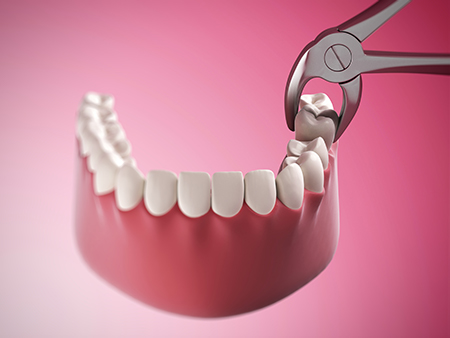
Healing after an extraction varies by the complexity of the procedure and individual health factors, but following post-operative guidance plays a major role in minimizing discomfort and reducing the risk of complications. We provide clear written and verbal instructions tailored to your situation, including activity limitations, dietary suggestions, and indicators that prompt a clinical re-evaluation.
Managing pain, swelling, and bleeding is straightforward in most cases when patients follow instructions. Rest, gentle cold application to control swelling, and appropriate use of prescribed or over-the-counter medications help most people remain comfortable while tissues repair. We also describe special precautions for patients with certain medical conditions.
If stitches (sutures) are placed, we’ll tell you whether they are dissolvable and when to return for a follow-up. Timely follow-up provides an opportunity to monitor healing, address concerns, and plan for any restorative work you may want after recovery.
Keep pressure on the site to control bleeding
You will be supplied gauze to hold over the extraction area. Maintain gentle, steady pressure until bleeding subsides. If bleeding persists after the first hour, replace the gauze and continue pressure; contact our office if unusually heavy bleeding continues.
Protect numb tissues
Avoid chewing, touching, or otherwise irritating the area until the local anesthesia has worn off to prevent accidental injury to lips, cheeks, or tongue.
Take medications as directed
Antibiotics:
If an antibiotic is prescribed, take the full course exactly as instructed to reduce the risk of infection.
Pain medication:
Start pain control before numbness fully subsides and use medications as directed. Over-the-counter options are often effective; follow our guidance for any prescription medicines.
Avoid dislodging the clot
To promote stable healing, refrain from rinsing forcefully, spitting, or using a straw for the first couple of days. These actions can dislodge the clot and increase the risk of dry socket.
Use ice to limit swelling
Apply an ice pack to the cheek for short intervals during the first 24 hours to manage swelling and ease discomfort.
Refrain from smoking
Tobacco use interferes with clotting and tissue healing; avoid smoking and smokeless tobacco during the initial healing period.
Choose gentle foods and stay hydrated
Opt for soft, cool or lukewarm foods for the first few days. Avoid hot, spicy, or carbonated beverages while tissues are healing.
Maintain careful oral hygiene
Continue brushing the rest of your teeth with care, and after the first day or two you may use a mild saltwater rinse to keep the area fresh—avoid vigorous rinsing early on.
Keep your follow-up appointment
If we schedule a postoperative visit to remove sutures or evaluate healing, please attend so we can confirm recovery is progressing as expected.
If you develop persistent bleeding, increasing pain, swelling that worsens after the first few days, fever, or a persistent unpleasant taste or odor, contact our office for prompt evaluation.
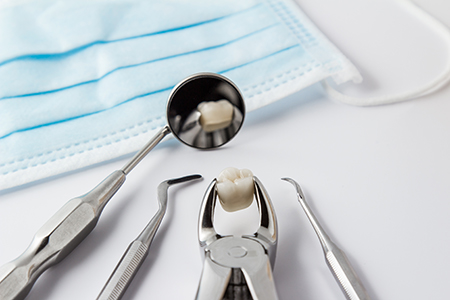
Once healing is underway, we discuss options to restore form and function in the space left by an extracted tooth. Choices include removable dentures, fixed bridges, and dental implants. The appropriate solution depends on your oral health, bone support, aesthetic goals, and long-term expectations.
Removable prostheses and fixed bridges can be effective for replacing one or more teeth, especially when implant placement is not feasible. Dental implants, when suitable, provide a durable and natural-feeling replacement by anchoring a prosthetic tooth into the jawbone. We’ll review the advantages and limitations of each approach so you can make an informed decision.
Timing is also important: in many cases we coordinate tooth replacement planning with the extraction and healing timeline, including bone preservation measures when indicated to support future restorative work. Our team will outline a recommended plan that aligns with your needs and clinical circumstances.
You deserve clear information, skillful treatment, and compassionate support when navigating an extraction. Our team focuses on delivering predictable, gentle care with attention to comfort and safety. We combine thorough diagnostics with clinical experience to select the treatment path that best protects your health and preserves future options for restoration.
At the office of David M. Goldberg, DDS, we prioritize patient education and individualized care. From the initial consultation through recovery and restorative planning, we strive to make each step understandable and manageable so you feel confident in the results.
We welcome your questions about extractions, comfort measures, and the restorative choices that follow. If you would like more information about extractions or to discuss whether an extraction is right for you, please contact us to schedule a consultation.
Tooth extraction becomes necessary when keeping the tooth would cause ongoing pain, spread infection, or jeopardize neighboring teeth and supporting tissues. Common clinical reasons include severe decay that cannot be reliably restored, fractures that extend below the gumline, advanced periodontal disease with lost bone support, or an over-retained primary tooth blocking normal eruption. A thorough exam and diagnostic imaging guide the decision to remove a tooth and are used to weigh immediate needs against long-term oral health.
The treatment plan also considers systemic health, medications, and future restorative goals so extraction is not taken lightly. We explain alternatives and the reasons removal is recommended so patients understand the rationale and next steps. Patients often find relief and better long-term outcomes once a problematic tooth is addressed appropriately at the office of David M. Goldberg, DDS.
A simple extraction is performed on a tooth that is fully visible in the mouth and has roots that are straightforward to remove; this procedure is usually completed with local anesthesia and specialized forceps. Surgical extraction is needed when a tooth is broken at the gumline, impacted beneath the bone, or otherwise inaccessible by simple techniques; it may require a small incision, removal of a portion of bone, or sectioning the tooth for safe removal. The choice of technique is based on radiographic findings and the position and condition of the tooth.
Surgical extractions are planned carefully to minimize trauma and protect adjacent structures, and they may be performed in the dental office or by an oral surgeon for particularly complex cases. In either scenario, we discuss anesthesia, risks, and healing expectations so you know what to expect. Coordination with specialists is handled when referral is in the patient’s best interest.
Preparation begins with a thorough health history review, including current medications, allergies, and any medical conditions that could affect surgery or healing. Follow any preoperative instructions provided by your dental team, such as fasting requirements for sedation, adjustments to medications only as directed by your physician, and arranging transportation if you will receive moderate or deep sedation. Bring a list of questions so you clearly understand anesthesia options and postoperative care before the procedure.
Wear comfortable clothing and plan for a calm environment after the appointment to support early recovery. If you have a complex medical history, we may request clearance from your physician or coordinate care with specialists to ensure safety. Advance planning helps reduce anxiety and promotes a smoother treatment experience.
Most extractions are performed with local anesthesia, which effectively numbs the specific area while you remain awake and able to communicate with the dental team. For patients with anxiety, extensive procedures, or multiple extractions, additional sedation options such as nitrous oxide (laughing gas) or oral/IV sedation may be offered to increase comfort and reduce awareness during treatment. The appropriate option is selected after assessing medical history, the complexity of the extraction, and patient preference.
Your safety is paramount, so the dental team monitors vital signs and follows established protocols when sedation is used. We explain the benefits and risks of each option and provide clear pre- and postoperative instructions related to fasting, medication management, and transportation. Together we choose an approach that balances comfort with safety for a predictable outcome.
Initial recovery focuses on controlling bleeding, limiting swelling, and managing discomfort while the socket begins to heal and a clot forms. Most patients experience mild to moderate soreness and swelling that peak within 24 to 48 hours and then gradually subside with proper care, including rest, icing, and the use of prescribed or over-the-counter pain relief as recommended. You will receive specific aftercare instructions covering activity restrictions, dietary suggestions, and signs that warrant a return visit.
Follow-up allows the dental team to monitor healing, remove non-dissolving sutures if needed, and discuss timing for any restorative work such as implants, bridges, or removable prostheses. Healing timelines vary with the complexity of the extraction and individual health factors, but most people resume normal activities within a few days with progressive improvement. Prompt communication with the office is encouraged if you notice persistent bleeding, worsening pain, fever, or other concerning symptoms.
Protecting the blood clot that forms in the extraction site is the single most important step to avoid dry socket, a painful condition caused by premature clot loss. To preserve the clot, avoid rinsing vigorously, spitting, using a straw, or performing forceful mouth movements for the first 48 to 72 hours after extraction. Smoking and use of tobacco products should be avoided during the initial healing period because they interfere with clot stability and tissue repair.
Maintain gentle oral hygiene around the surgical area, using a soft toothbrush on adjacent teeth and following guidance on when to begin saltwater rinses. Take any prescribed antibiotics and pain medications exactly as directed, and replace gauze as instructed to manage bleeding. If you experience severe or increasing pain several days after the extraction, contact the dental office promptly for evaluation and treatment.
You can usually sip clear liquids immediately after an extraction and progress to soft, cool or lukewarm foods for the first 24 to 48 hours, avoiding crunchy, spicy, or hot items that could irritate the site. Gentle oral hygiene is encouraged, but avoid brushing directly over the socket until initial healing is underway; after 24 to 48 hours you may begin light rinses with warm saltwater to help keep the area clean. Follow activity limitations for the first day or two and avoid heavy lifting or vigorous exercise that could increase bleeding or swelling.
Most patients return to routine daily activities within a couple of days, but individual recovery depends on procedure complexity and overall health. If your extraction was surgical or involved an impacted tooth, you may need a longer period of rest and follow specific post-op directions. Always adhere to the timeline provided by your dental team and attend any scheduled follow-up visits to confirm healing progress.
Several restorative options exist to replace an extracted tooth and restore function and aesthetics, including removable partial dentures, fixed bridges, and dental implants. Implants offer a durable, bone-preserving solution that mimics natural tooth roots and supports a crown, while bridges and removable prostheses can be appropriate when implants are not feasible due to anatomy or medical considerations. The best choice depends on bone support, oral health, aesthetic goals, and the patient’s long-term expectations.
Timing for replacement varies; some cases allow for immediate or delayed implant placement, and in other situations bone grafting or site preservation may be recommended to improve future restorative outcomes. Your dental team will review the pros and cons of each option, assess the treatment timeline, and tailor a restorative plan that fits your oral health needs. Coordinated planning ensures the replacement solution supports a stable, functional result.
Removing a tooth can change how adjacent teeth interact and may allow neighboring teeth to shift into the empty space over time, which can affect bite relationships and alignment. In some cases, extractions are intentionally performed as part of an orthodontic plan to create space and facilitate proper alignment, while in other situations tooth replacement is recommended to prevent unwanted movement. Your dentist evaluates the position of surrounding teeth and the occlusion to plan for preservation of function and aesthetics.
If long-term stability is a concern, we discuss restorative options and orthodontic coordination to maintain or restore proper bite relationships. Early planning for replacement or orthodontic intervention helps minimize unintended movement and supports predictable outcomes. Regular monitoring after extraction allows timely steps to preserve alignment and function.
Extractions for children are approached with attention to growth, development, and the timing of permanent tooth eruption; removing an over-retained primary tooth can allow a permanent tooth to emerge correctly, while preserving space or guiding eruption may be part of the plan. Pediatric extractions are conducted with age-appropriate behavior management, local anesthesia, and sedation options when necessary, and the team coordinates with parents to explain aftercare and follow-up. The goal is to protect long-term dental development while minimizing fear and discomfort.
Impacted wisdom teeth often require surgical extraction when they threaten adjacent teeth, become recurrently infected, or fail to erupt properly, and these procedures may be more complex than routine extractions. Care for impacted third molars includes thorough radiographic assessment, discussion of risks and benefits, anesthesia planning, and clear postoperative instructions to support healing. When specialist care is recommended, providers at the office of David M. Goldberg, DDS coordinate referrals and follow-up to ensure seamless treatment and recovery.