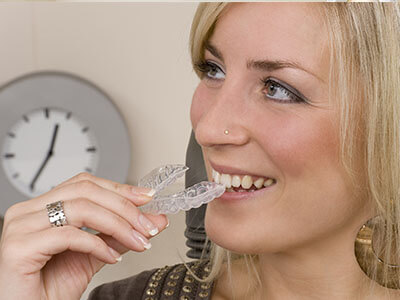
Start with a focused clinical evaluation
Initial visits center on a careful oral exam and discussion of treatment goals. Clinicians review bite relationships, existing dental work, and oral health to determine suitability for aligner therapy.


Invisalign® clear aligners offer a discreet, medically supervised way to straighten teeth using a sequence of removable, custom-fit trays. Designed with contemporary dental practice in mind, this option blends digital planning with clinical oversight to move teeth predictably while minimizing interruption to daily life.
Clear aligners are engineered to be low-profile and nearly invisible, so many people choose them when appearance during treatment matters. The aligners are smooth and designed to fit snugly over teeth, which reduces irritation commonly associated with brackets and wires.
Because the system is removable for short periods, patients can maintain their usual oral hygiene routines without navigating around fixed appliances. This removability also makes it simpler to eat and clean teeth thoroughly, which supports overall oral health during treatment.
Clinically, aligner therapy can address a broad spectrum of alignment and bite concerns. While not every orthodontic challenge is best treated with removable aligners, careful case selection and a tailored treatment plan enable reliable results for many adults and teens.
Treatment begins with a comprehensive clinical evaluation and precise digital records. A fast, detailed intraoral scan captures the current position of your teeth and bite, which becomes the foundation for a step-by-step treatment plan created by your clinician and supported by advanced software.
Using 3‑D imaging and planning tools, clinicians map the intended movement of each tooth across a series of aligners. This sequence is reviewed and refined so that each tray applies specific, controlled forces to guide teeth toward the desired positions over time.
Throughout planning, licensed dental professionals evaluate the proposed movements and make adjustments to ensure safety and predictability. The result is a set of custom aligners produced to the exact specifications determined during the planning stage.
Most patients wear aligners for the majority of the day and remove them only for eating, drinking anything other than water, and oral care. This routine supports consistent progress while preserving the convenience of normal meals and hygiene practices.
Cleaning aligners and maintaining dental hygiene are straightforward: regular brushing and flossing, plus rinsing the trays, help prevent buildup and keep both teeth and aligners in good condition. Because the trays are removable, professional cleanings and dental checkups proceed without special accommodations.
Many people report that aligners are easier to adapt to than traditional braces because there are no brackets or wires to irritate soft tissues. Minor speech adjustments are common initially, but most patients acclimate quickly within a few days of starting treatment.
Your first appointment focuses on examination and discussion of goals. If aligner treatment is appropriate, the process moves to digital scanning and collaborative planning. You will typically receive a clear schedule of appointments for review and periodic monitoring.
Follow-up visits are usually brief and designed to confirm progress, provide new aligner sets, and address any questions about wear or care. Should refinements be required, the clinical team can adjust the plan to keep outcomes on track.
After active alignment is complete, retention is an important step to preserve the new tooth positions. Your provider will recommend a retention strategy tailored to your needs to support long-term stability of the results.
The aligner system integrates decades of clinical data and engineering to support predictable planning and manufacturing. Digital workflows improve accuracy in both the simulation of tooth movements and the fabrication of each aligner in the series.
Because treatment is supervised by licensed dental professionals, clinical decisions—such as the timing of movements, the need for attachments, or complementary procedures—are made with each patient’s oral health and overall goals in mind. This oversight ensures that the plan is clinically appropriate and safe.
When evaluating any orthodontic option, it’s important to consider the experience and training of the team delivering care. At the office of David M. Goldberg, DDS, treatment is coordinated by clinicians who focus on individualized planning and consistent follow-up to help achieve reliable outcomes.
Remember that every mouth is unique. A consultation is the best way to determine whether clear aligner therapy is a good match for your needs and to develop a personalized plan that fits your lifestyle and dental health objectives.

Initial visits center on a careful oral exam and discussion of treatment goals. Clinicians review bite relationships, existing dental work, and oral health to determine suitability for aligner therapy.
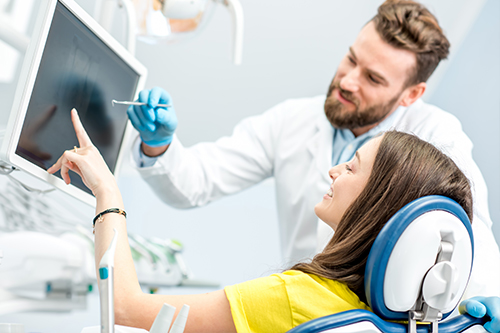
A detailed digital scan is used to build your treatment map, which lays out the expected progression of tooth movements. This visual plan helps you and your provider see the proposed outcome before manufacturing begins.
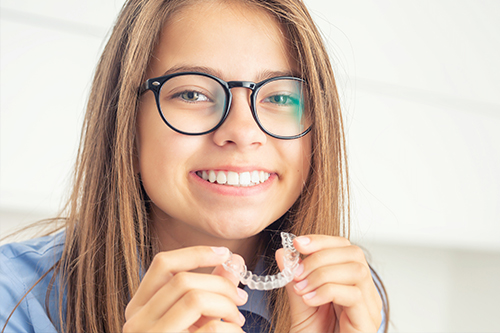
Each aligner is produced to match the specifications of your treatment plan. The trays are smooth and contoured for comfort while applying planned forces to guide teeth into new positions.

Throughout treatment, the clinical team monitors progress and provides new aligner sets according to your schedule. Regular check-ins ensure the plan continues to deliver controlled, measurable improvement.
Informational clips illustrate aligner use, comfort, and the clinical process.
*Invisalign® is a registered trademark of Align Technology, Inc.
In summary, Invisalign® clear aligners combine digital planning, precision manufacturing, and clinical supervision to offer a streamlined option for many alignment goals. If you’d like to learn more about whether this approach is right for you, please contact our office for additional information or to schedule a consultation.
Invisalign® uses a series of custom, removable clear aligners to move teeth gradually into their desired positions. Treatment begins with a detailed clinical evaluation and a precise digital scan that creates a step-by-step 3-D plan for tooth movement. Each aligner in the series is fabricated to apply controlled forces that guide specific teeth over time.
A licensed dental professional reviews and approves the digital plan and oversees the process to ensure movements are safe and predictable. Patients typically change to the next aligner in the series on a prescribed schedule to maintain steady progress. Periodic monitoring appointments allow the clinician to confirm results and make refinements if necessary.
Many adults and teens with mild to moderate alignment or bite concerns are excellent candidates for Invisalign®. The system can correct spacing issues, crowding, and certain bite problems when case selection and clinical planning support those movements. Complex orthodontic needs may require alternative or complementary treatments.
A comprehensive consultation and digital evaluation determine whether aligner therapy is the right choice for an individual patient. Factors such as existing restorations, oral health, and compliance expectations are considered during treatment planning. The clinician will explain potential limitations and recommend the most appropriate approach for predictable results.
Treatment duration varies with the complexity of the case but commonly ranges from several months to about a year or more for more involved plans. The digital treatment map estimates the total number of aligners and an approximate timeline based on planned tooth movement. Regular wear and adherence to instructions are essential to achieve the projected schedule.
Patient compliance, the need for attachments or elastics, and any required refinements can affect the final timeline. Periodic check-ins allow the clinical team to assess progress and modify the plan when necessary. Your provider will discuss realistic expectations for your specific treatment during the initial consultation.
The first appointment focuses on a clinical exam, a digital scan, and a discussion of treatment goals and the proposed plan. After the aligners are delivered, follow-up visits are typically brief and scheduled to verify progress, distribute new aligner sets, and address questions about wear or oral care. Monitoring ensures that tooth movements align with the digital plan and remain healthy.
If refinements are needed, the clinician updates the plan and provides additional aligners to fine-tune results. The team also coordinates any complementary procedures, such as attachments or interproximal reduction, if indicated. At the end of active treatment, the provider outlines a retention strategy to maintain the new tooth positions.
Aligners should be worn for the majority of the day and removed for eating, drinking anything other than water, and oral hygiene. Rinsing trays and gently brushing them each day helps prevent buildup and keeps the aligners clear and hygienic. Maintaining a consistent routine of brushing and flossing protects teeth and gums throughout treatment.
Professional dental cleanings and checkups continue as usual and are easier with removable aligners compared with fixed appliances. Avoiding highly staining foods and beverages while trays are out reduces discoloration of teeth and aligners. Your clinician will provide specific cleaning recommendations and instructions for safe aligner care.
Mild pressure or soreness is common when starting treatment and each time a new aligner is placed because the trays are working to move teeth. This sensation is typically temporary and can be managed with over-the-counter pain relief and simple home care measures. Most patients report that discomfort diminishes within a few days as tissues adapt to the planned movements.
If persistent pain, unusual symptoms, or signs of irritation occur, patients should contact their dental provider for evaluation. The clinical team can identify whether adjustments are needed or if complementary therapies will help. Prompt attention to concerns supports comfort and keeps treatment on track.
Some patients notice a slight lisp or change in speech during the first few days of wearing new aligners as the mouth adjusts to the presence of the trays. These changes are usually minor and resolve quickly as the tongue and lips adapt. Most people find that day-to-day activities, including work and school, continue without meaningful disruption once they acclimate.
Practicing speaking aloud and wearing aligners consistently can shorten the adaptation period. Because aligners are removable, patients can temporarily remove them for important events if needed and then resume wear to maintain progress. Your provider will offer guidance on managing any temporary speech changes or practical concerns.
Attachments are small, tooth-colored composite shapes bonded to selected teeth to help the aligners apply forces more effectively for certain movements. Elastics may be prescribed in some cases to adjust bite relationships or coordinate upper and lower jaw movements. Both tools are planned during the digital treatment setup and are used only when they contribute to predictable outcomes.
Attachments remain in place for the portion of treatment specified by the clinician and are removed when no longer needed. Patients are instructed on how to care for teeth with attachments and how to place and wear elastics if they are part of the plan. These adjuncts expand the types of movements that aligners can achieve under clinical supervision.
After active tooth movement is complete, retention is the next critical phase to preserve the new positions and prevent relapse. The clinician will recommend a retention plan tailored to the patient’s needs, which typically includes clear or fixed retainers and a schedule for follow-up visits. Proper retention supports the long-term stability of the results achieved during treatment.
Long-term monitoring may include occasional checkups to confirm that retainer wear is effective and that oral health remains stable. Patients receive instructions on how often to wear removable retainers and how to care for them. Maintaining good oral hygiene and attending recommended follow-up appointments help protect both the results and overall dental health.
Invisalign® offers a discreet and removable option that often improves hygiene and comfort compared with traditional brackets and wires. Many patients prefer the low-profile appearance and the ability to remove aligners for eating and cleaning, which can make daily life easier during treatment. However, the suitability of aligners versus braces depends on the specific tooth movements required.
Traditional braces may be recommended for very complex movements, severe bite issues, or cases where fixed appliances provide more precise control. A thorough clinical evaluation helps determine the best approach for each patient’s goals and oral health. At the office of David M. Goldberg, DDS in Bellerose, clinicians review each case and recommend the most appropriate, evidence-based option for reliable results.