Call Us Today!
(718) 347-6262


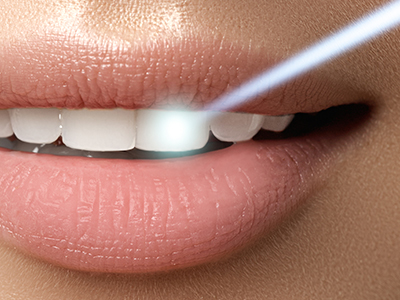
Laser dentistry uses focused light energy to perform precise dental procedures on both soft and hard tissues. Instead of a rotary handpiece or scalpel, lasers deliver concentrated photons that interact with tissue water and pigments to cut, reshape, disinfect, or stimulate healing. Different laser wavelengths target different tissues, which allows clinicians to tailor the device and settings for each treatment. For patients, this translates to highly targeted care with minimal impact on surrounding areas.
At its core, the technology converts electrical energy into an intense beam of light that the dental team directs at a small treatment zone. When that beam strikes tissue, it causes micro-scale effects: vaporizing tiny amounts of surface material, coagulating blood for better control, or triggering cellular responses that support healing. Manufacturers calibrate laser units for specific clinical uses, and dentists choose the appropriate wavelength and power level based on the procedure and tissue involved.
Laser dentistry is not a single monolithic tool but a family of instruments that complement traditional techniques. Some lasers excel on soft tissue—gums, frenums, and lesions—while others are designed for enamel and dentin. Because of this diversity, many practices integrate lasers as part of a broader, modern toolkit rather than a wholesale replacement for drills or scalpels.
One of the most important advantages of lasers is precision. Lasers allow clinicians to remove decay or contour tissue with a very small zone of action, reducing the amount of healthy material that must be removed. This conservative approach helps preserve natural tooth structure and can improve the long-term prognosis of restorations by leaving stronger margins and less unnecessary removal of enamel or dentin.
For periodontal procedures, lasers can selectively remove diseased or inflamed tissue while leaving healthy gum tissue intact. That selectivity helps maintain the natural anatomy and supports better functional and aesthetic outcomes. In restorative work, certain lasers can also be used to prepare a cavity surface in a way that enhances bonding for modern filling materials.
Because lasers can be calibrated to reduce collateral heat and vibration, many patients experience less immediate trauma to surrounding tissue. That can mean lower swelling and a more controlled healing environment, which benefits both short-term comfort and long-term tissue stability. Still, clinical judgment is essential: lasers are a tool for preservation, but they are best used as part of a comprehensive treatment plan.
For many patients, the prospect of reduced noise, vibration, and contact is appealing. Laser procedures typically produce less of the sensations associated with drills, which can lessen anxiety for nervous patients. Because the device often operates without the grinding sound of a handpiece and with minimal contact, it may create a calmer, less stressful experience for those who avoid dental care due to fear.
Lasers can also minimize bleeding in soft-tissue procedures by sealing small blood vessels as they go, which improves visibility for the clinician and reduces the need for packing or sutures. This coagulative effect often shortens the immediate recovery period, allowing patients to resume normal activities sooner and with less discomfort than some traditional techniques.
While some laser treatments can decrease the need for local anesthetic, they do not eliminate the need for anesthesia in all cases. The decision to use less anesthetic depends on the procedure, the patient’s comfort level, and the clinician’s assessment. Clear communication before treatment helps set expectations about anesthesia and post-procedure sensations.
Dental lasers are versatile and are used across multiple areas of dentistry. In soft-tissue care, lasers treat gum inflammation, remove frayed tissue around orthodontic appliances, and excise benign oral lesions with precision. They are frequently used for gingival sculpting to improve the appearance of a smile and for periodontal pocket debridement where targeted tissue reduction is needed.
On hard tissues, certain lasers assist with cavity preparation, the conditioning of enamel before bonding, and the activation of some in-office whitening systems. Lasers can also help in performing biopsies with minimal bleeding and in disinfecting root canals as an adjunct to endodontic therapy. For pediatric patients, lasers can be particularly helpful because they can reduce the trauma associated with some traditional approaches.
It’s important to recognize that lasers are not a universal solution. Some procedures—particularly those that require bulk removal of tooth structure or complex mechanical shaping—still rely on traditional instruments. The strength of laser dentistry lies in its ability to complement other techniques, improving precision and patient comfort when used appropriately.
Safety in laser dentistry is based on appropriate device selection, proper training, and strict infection-control protocols. Clinicians undergo specific instruction to understand wavelength selection, power settings, and the interactions between laser energy and biological tissue. When used correctly, lasers have a strong safety record, but like any medical device they require careful handling and ongoing education.
If you’re considering a laser procedure, expect your dentist to explain the benefits, limitations, and what will happen during treatment. Preparation is usually minimal; for soft-tissue work, your clinician will isolate the area and provide protective eyewear. During the procedure you may notice a warm or tingling sensation, and most treatments are completed with minimal noise and little to no vibration.
Aftercare varies by procedure. Soft-tissue treatments often heal quickly with simple home care instructions, while hard-tissue interventions may require standard restorative follow-up. Your dental team will provide clear post-operative guidance tailored to the treatment performed and schedule any necessary follow-up visits to monitor healing and outcomes.
Laser dentistry is a valuable part of modern dental care because it combines clinical precision, patient comfort, and targeted healing—especially when integrated into a comprehensive treatment plan. The office of David M. Goldberg, DDS offers laser treatments as one of several advanced options to help patients achieve healthy, comfortable results. If you’d like to learn whether laser dentistry is right for you, please contact us for more information.
Laser dentistry uses concentrated light energy to perform precise dental procedures on soft tissues like gums and on certain hard tissues such as enamel. The device converts electrical energy into a focused beam that interacts with tissue water and pigments to vaporize, coagulate, or stimulate cells at a microscopic level. Different wavelengths target different tissue types, so clinicians select the appropriate laser and settings to match the clinical goal for each treatment.
The laser beam is directed at a small treatment area to remove diseased tissue, disinfect surfaces, or modify tissue contours while minimizing impact on surrounding structures. Manufacturers design units for specific clinical uses and dentists receive training to choose wavelength, power and technique. Because lasers operate with minimal vibration and often less heat than some traditional tools, they can offer a gentler option for many procedures when used appropriately.
Laser dentistry often improves precision by confining the zone of treatment to a very small area, which helps preserve healthy tooth and gum tissue. This conservative approach can protect natural tooth structure and create cleaner margins for restorations, potentially improving long-term outcomes. In soft-tissue procedures, lasers also seal small blood vessels as they cut, which reduces bleeding and improves visibility for the clinician.
Patients commonly experience reduced noise, vibration and postoperative swelling compared with some traditional techniques, which can lower anxiety and speed initial recovery. Lasers may also reduce the need for sutures and, in some cases, decrease the amount of local anesthetic required, depending on the procedure and patient comfort. Overall, lasers serve as a complementary tool that can enhance comfort and clinical control when integrated into comprehensive care.
When used by a trained clinician, laser dentistry has a strong safety record, but safety depends on correct device selection, familiarity with wavelengths and appropriate power settings. Dentists and staff must also follow eye-protection protocols and infection-control measures specific to laser use. Manufacturers and professional organizations provide training and certification pathways to ensure clinicians understand tissue interactions and clinical indications.
Safety also means recognizing when a laser is not the best tool; clinical judgment guides whether a traditional instrument or a laser is most appropriate for a given case. Regular maintenance and calibration of the laser unit are part of safe practice, as are adherence to evidence-based protocols and continuing education to stay current with evolving laser technologies. Patients should expect their dentist to explain benefits, limitations and safety measures before treatment begins.
Before the procedure your clinician will review the treatment plan, explain how the laser will be used and provide protective eyewear for you and the team. For many soft-tissue procedures the area will be isolated and local anesthetic may be used based on the complexity of the work and your comfort level. During treatment you may notice a warm or tingling sensation and hear a quieter operational sound compared with a rotary handpiece.
Most laser procedures are completed with minimal vibration and often require less postoperative packing or sutures due to the coagulative effect of the beam. The clinician will outline aftercare and any activity restrictions immediately after the appointment, and schedule follow-up to monitor healing and ensure the desired outcome. Clear communication about expected sensations and healing timelines helps set realistic expectations for recovery.
Lasers are versatile and commonly used for soft-tissue procedures such as gingival sculpting, frenectomies, removal of benign lesions and periodontal pocket debridement. They can precisely remove inflamed or diseased gum tissue while preserving healthy areas, which is useful in cosmetic and periodontal applications. For pediatric dentistry, lasers can reduce the trauma of some procedures and improve cooperation for anxious children.
Certain lasers are designed for hard-tissue tasks like cavity conditioning, selective removal of decay and activation of some in-office whitening systems, and they can serve as adjuncts in endodontic disinfection. Not every laser works on hard tissue, so practitioners choose devices based on the clinical need; many practices combine lasers with traditional instruments to achieve the best result for each case.
Lasers are not a universal replacement for all dental instruments and have limitations when bulk removal of tooth structure or complex mechanical shaping is required. Procedures that need extensive cutting or complex shaping still depend on rotary instruments and other traditional tools. The effectiveness of a laser also depends on selecting the correct wavelength and settings for the target tissue, which may limit its applicability in some cases.
Another limitation is that not all lasers interact with both soft and hard tissues, so a practice must have the appropriate technology for a given procedure. Clinical decisions should balance the benefits of laser use against established techniques, and a comprehensive treatment plan will often combine approaches to optimize outcomes and long-term function.
Recovery from many laser soft-tissue procedures is often quicker and less uncomfortable due to reduced bleeding, swelling and trauma at the treatment site. Typical aftercare includes gentle oral hygiene, avoidance of irritants like spicy foods for a short period and following any specific care instructions provided by the clinician. Because lasers seal small blood vessels, you may not need dressings or sutures, which can simplify home care.
For hard-tissue interventions that involve cavity preparation or restorative work, aftercare follows standard restorative protocols and may include temporary sensitivity management and scheduled follow-up to place or assess permanent restorations. Your dental team will give precise post-procedure instructions to support healing and monitor outcomes during any necessary follow-up visits.
Laser dentistry can be especially helpful for children and anxious patients because it often reduces the noise and vibration associated with dental drills, creating a calmer experience. Less bleeding and fewer sutures for soft-tissue treatments can also reduce the perceived invasiveness of procedures and speed initial recovery. Pediatric clinicians frequently use lasers for soft-tissue work and certain restorative applications when the device is appropriate for the child’s specific needs.
Decisions about using laser therapy depend on the child’s cooperation, the clinical indication and the clinician’s experience with pediatric laser protocols. A careful pre-procedure discussion helps set expectations about comfort, anesthesia needs and any behavioral strategies to support a positive visit.
Lasers complement many restorative and surgical workflows by improving soft-tissue management, enhancing visibility and supporting precise contouring around restorations or implants. For example, laser-assisted gingival sculpting can refine margins before crown impressions and help create a healthier tissue environment around implant restorations. In surgical implant protocols, lasers may be used for soft-tissue management and site preparation in specific situations when indicated by the clinician.
Lasers are often one component of a comprehensive treatment plan rather than a standalone solution, and they work best when coordinated with traditional techniques and proper prosthetic planning. Your dentist will explain how laser therapy fits into the overall sequence of care for implants, crowns or other restorative procedures and schedule appropriate follow-up to ensure optimal healing and function.
If you are interested in laser treatment, ask your dentist whether they offer laser services and which types of lasers they use for soft and hard tissues. Inquiring about the clinician’s training and experience with specific laser systems helps you understand how the technology will be applied to your care. Staff can also explain procedural steps, safety measures and what to expect during and after treatment.
The office of David M. Goldberg, DDS offers laser treatments as part of its advanced service options and will provide a consultation to determine whether laser therapy is appropriate for your dental needs. A brief evaluation and discussion of alternatives will help you make an informed decision about incorporating laser care into your treatment plan.