Call Us Today!
(718) 347-6262


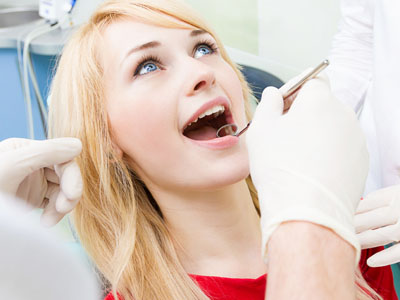
At the office of David M. Goldberg, DDS, prevention guides everything we do. A thoughtful, well-documented oral exam helps catch small problems before they grow, supports long-term dental health, and gives your care team the information needed to tailor treatments to your needs. Our exams combine a careful hands-on inspection with targeted diagnostics—professional cleanings, gum assessments, oral cancer screening, and imaging when appropriate—so every visit delivers a clear picture of your oral health.
Your initial exam is a fact-finding mission that sets the foundation for all future care. We begin by reviewing your medical and dental history to identify any factors that affect oral health—prescription medications, chronic conditions, past treatments, or specific concerns you bring to us. This context helps the clinical team focus the exam on what matters most for you.
Next, we perform a methodical clinical evaluation. That includes checking each tooth, the condition of the gums, and the soft tissues inside the mouth, as well as evaluating your bite and jaw movement. We screen for signs of decay, inflammation, erosive wear, and any lesions or abnormalities that might need further attention. When indicated, we include an oral cancer screening and a periodontal evaluation to assess gum health and supporting structures.
Diagnostic images are selected based on the findings and your history. Digital x-rays and, in select cases, three-dimensional imaging provide information about tooth roots, bone levels, and areas that aren’t visible during a visual exam. After the exam, we’ll review what we found in straightforward terms and outline recommended next steps—whether that’s a preventive plan, targeted treatment, or continued monitoring.
We strive to make the first visit both informative and comfortable. Our goal is to leave you with a clear understanding of your oral health and a practical plan you can follow to protect your smile.
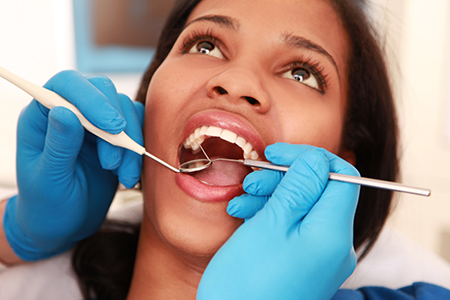
Oral health isn’t isolated from the rest of the body; it’s a window into broader wellness. Inflammation, infection, and other conditions in the mouth can affect nutrition, sleep, and overall quality of life. During a comprehensive exam we look for local signs that may point to systemic issues so your dental care can complement medical management when appropriate.
Researchers have identified links between oral conditions and systemic diseases. For example, persistent gum inflammation can complicate diabetes management, and certain oral bacteria have been associated with cardiovascular and respiratory concerns. While the presence of one does not prove causation in every case, awareness and early intervention can help reduce risks and improve outcomes.
Conversely, many general health problems show early signs in the mouth. Dry mouth, recurrent ulcers, unusual bleeding, or rapid decay may be clues to medication side effects, autoimmune disorders, or nutritional deficiencies. Identifying these signs during a dental exam enables timely referrals and coordinated care with your medical providers.
Our exams are designed to be both preventive and proactive: we detect problems early, advise on risk reduction, and work with patients and physicians when conditions require a multidisciplinary approach.

Regular dental exams and professional cleanings are the backbone of lasting oral health. Even with excellent home care, plaque and calculus can accumulate in hard-to-reach places; professional hygiene visits remove these deposits, lower bacterial load, and reduce the risk of cavities and gum disease. Exams paired with cleanings allow us to monitor trends and intervene early.
We typically recommend periodic visits tailored to each patient’s needs. For many people, twice-yearly checkups are effective; some patients with higher risk factors may need more frequent monitoring. These visits give us the opportunity to reinforce oral hygiene techniques, update preventive measures, and address small concerns before they require more extensive treatment.
Preventive care also includes patient education. During your appointment our hygienist and dentist will demonstrate efficient brushing and flossing strategies, discuss dietary influences on your teeth, and suggest home-care products that fit your routine. Small adjustments at home, supported by regular professional care, add up to big benefits over time.
For parents, establishing regular dental visits for children builds habits that last into adulthood. We focus on age-appropriate guidance, monitoring growth and eruption patterns, and identifying early orthodontic or developmental signs so you can make informed decisions when intervention is beneficial.
Visual inspection tells us a great deal, but imaging reveals the parts of the oral anatomy that lie beneath the surface. Dental x-rays and other radiographs let us evaluate tooth roots, jawbone quality, hidden decay, and the positioning of unerupted or impacted teeth. These tools improve diagnostic accuracy and are essential for planning many treatments.
Digital radiography has largely replaced film in most practices because it is quicker, more efficient, and exposes patients to lower levels of radiation. Digital images can be reviewed immediately, enlarged, and adjusted for better visualization. They also integrate into electronic records so images are available for comparisons over time and can be shared with specialists when necessary.
When used thoughtfully, imaging helps avoid surprises during treatment. For instance, x-rays can reveal the extent of decay beneath a restoration, the progression of bone loss, or an abscess at the tip of a root that might not be symptomatic yet. We select imaging based on clinical need to keep exposure as low as reasonably achievable while obtaining the information required to provide safe, effective care.
We’ll always explain the purpose of any images we recommend and how they will influence your treatment plan so you can make confident decisions about your care.
Different imaging types serve different diagnostic roles. Your dentist will choose the most appropriate views based on what needs to be evaluated: localized problems, full-mouth assessment, jaw relationships, or surgical planning. Below are commonly used radiographs and why they matter.
Periapical x-ray — Focuses on an individual tooth from crown to root tip and the surrounding bone. It’s useful for diagnosing root infections, fractures, and bone loss near a single tooth.
Bitewing x-ray — Captures the crowns of back teeth and helps detect early decay between teeth and monitor the fit of existing restorations.
Full mouth series — A comprehensive collection of periapical and bitewing images that offers a complete view of the dentition and supporting structures.
Panoramic film (panorex) — Provides a broad 2D view of all teeth, the jaws, and adjacent structures; useful for evaluating impacted teeth, developmental patterns, and jaw pathology.
Cephalometric film — A side-profile view often used in orthodontic assessment to analyze jaw relationships and facial growth patterns.
For complex cases—implant planning, surgical assessments, or when detailed bone analysis is required—we may recommend three-dimensional cone-beam computed tomography (CBCT). CBCT delivers a volumetric view of the jaws and surrounding anatomy to support precise diagnosis and treatment planning in situations where added detail can improve outcomes.
Regular oral exams are the best investment you can make in your smile. At the office of David M. Goldberg, DDS, we combine careful clinical evaluation, appropriate imaging, and practical guidance so you understand your oral health and the options available. If you have questions or would like more information about our oral exam process, please contact us to learn how we can help you maintain a healthy, confident smile.
An oral exam is a comprehensive clinical evaluation of your teeth, gums, and supporting structures designed to identify current problems and prevent future ones. The exam combines a hands-on inspection with targeted diagnostics so the dental team can detect decay, inflammation, and early signs of disease before they become more complex. Regular exams create a documented baseline that helps track changes over time and supports more predictable, conservative care.
By catching issues early, oral exams reduce the likelihood of urgent problems and help preserve natural teeth and oral function. They also provide an opportunity to review habits and risk factors so patients receive personalized prevention strategies. Overall, exams are the foundation of long-term oral health and a key part of maintaining a confident, comfortable smile.
Your initial visit begins with a review of medical and dental history to identify medications, chronic conditions, past treatments, and any concerns you bring. That context guides a focused clinical assessment so the team can concentrate on the issues most relevant to your health. We will then perform a methodical examination of each tooth, the gums, and all soft tissues while evaluating bite, jaw movement, and any signs of wear or trauma.
When indicated, the exam includes an oral cancer screening and a periodontal evaluation to assess gum health and supporting structures. Diagnostic images such as digital x-rays may be selected to evaluate areas that are not visible during a visual exam. At the end of the visit the dentist will review findings in straightforward terms and outline recommended next steps and a preventive plan tailored to your needs.
For many patients, twice-yearly exams paired with professional cleanings provide effective preventive care and allow the dental team to monitor trends over time. This interval works well for people with low to moderate risk for cavities and gum disease because it balances early detection with practicality. During these routine visits we reinforce home-care techniques and update preventive measures to help maintain oral health.
Some patients require more frequent monitoring based on individual risk factors such as a history of periodontal disease, frequent decay, certain medical conditions, or dry mouth. The dentist will recommend a personalized recall schedule during your exam to ensure timely intervention when needed. Following a customized plan helps reduce the need for extensive treatment and supports lasting oral health.
X-rays are selected when they will provide diagnostic information that cannot be obtained through visual inspection alone, such as hidden decay, root conditions, and bone levels. Digital radiography is commonly used because it is fast, produces high-quality images, and exposes patients to lower radiation than traditional film. The decision to take images is based on your history, clinical findings, and risk profile so we obtain the information needed while minimizing exposure.
When images are recommended we will explain their purpose and how they affect your treatment plan so you understand their diagnostic value. Routine bitewings, periapical views, or broader panoramic images may be used depending on the evaluation. For complex planning—such as implant placement or advanced pathology assessment—three-dimensional CBCT imaging may be advised to provide a volumetric view of the jaws and surrounding anatomy.
Periapical x-rays focus on individual teeth and their roots, helping diagnose root infections, fractures, and localized bone loss. Bitewing images capture the crowns of posterior teeth and are especially useful for detecting early decay between teeth and monitoring the fit of restorations. Panoramic films give a broad two-dimensional view of the entire dentition and jaws to evaluate development, impacted teeth, and larger-scale pathology.
A full mouth series combines periapical and bitewing views for a comprehensive baseline assessment when indicated. Cephalometric images are used primarily in orthodontic assessment to analyze jaw relationships and growth patterns. For surgical planning or detailed bone analysis, cone-beam CT (CBCT) provides three-dimensional detail that improves diagnostic accuracy and treatment outcomes in complex cases.
Oral cancer screening is an essential component of a comprehensive exam and involves a careful visual and tactile inspection of the lips, tongue, floor of mouth, cheeks, palate, and throat. The clinician looks for persistent sores, lumps, white or red patches, and other abnormalities that could indicate early disease. Identifying suspicious findings early increases the chance of successful treatment and better long-term outcomes.
The screening also considers personal risk factors such as tobacco use, alcohol consumption, human papillomavirus (HPV) exposure, and age. If the exam reveals a concerning area the dentist will document the finding, recommend appropriate imaging or tests if needed, and coordinate timely referral to a specialist for biopsy or further evaluation. Prompt follow-up ensures the best possible care when abnormalities are detected.
Assessment of gum health includes measuring pocket depths around each tooth, checking for bleeding on probing, and evaluating gum recession and mobility. These measurements help determine the presence and severity of periodontal disease and guide treatment planning. The dentist will also review bone levels visible on radiographs to assess the supporting structures and identify areas of active breakdown.
Based on the findings, the team will recommend preventive measures, nonsurgical therapies such as scaling and root planing, or a maintenance schedule to control disease progression. Regular hygiene visits paired with individualized home-care instruction are central to stabilizing periodontal health and preventing further bone loss. When surgical or specialist intervention is required, we coordinate care to achieve the best long-term results.
Bring a list of current medications, any recent medical diagnoses, and details of previous dental treatments so the clinical team has a complete health context. If you have dental records or x-rays from another provider, bringing them or requesting a records transfer can speed diagnosis and avoid duplicate imaging. Write down any specific concerns or symptoms you want to discuss so nothing is missed during the visit.
Arrive having brushed your teeth so the hygienist can perform a thorough cleaning and assessment, and be prepared to discuss your daily oral hygiene routine and diet. If you experience anxiety about dental visits, let the team know so they can offer comfort measures and explain each step. At the office of David M. Goldberg, DDS we strive to make the visit informative and comfortable while ensuring your care is tailored to your needs.
Early exams focus on education, growth monitoring, and establishing a positive experience with the dental team so children build healthy habits. The clinician will evaluate tooth eruption, bite development, and risk factors for decay while providing age-appropriate guidance on brushing, fluoride use, and diet. Routine cleanings and exams also allow the team to identify early orthodontic or developmental concerns that may benefit from monitoring or referral.
For infants and young children the exam emphasizes prevention through anticipatory guidance for parents and caregivers, including tips on bottle weaning and limiting sugary exposures. As children grow, exams transition to more detailed assessments of oral hygiene and cavity prevention, and the team will recommend a recall interval tailored to the child’s risk. Establishing regular dental visits early supports lifelong oral health and reduces dental fear.
After the exam the dentist will review findings in plain language, explain any recommended treatments or preventive steps, and prioritize what should be addressed first. You will receive a clear plan that outlines monitoring, recommended procedures, and home-care adjustments so you understand why each item is suggested and how it supports your oral health. The team welcomes questions and will provide additional clarification so you can make informed decisions about your care.
When follow-up care is needed the office staff can help arrange appointments for hygiene visits, restorative work, or specialist referrals as appropriate. To schedule an appointment call (718) 347-6262 or request an appointment through the practice website so the team can find a time that fits your needs. The office of David M. Goldberg, DDS aims to make scheduling and care coordination straightforward to support consistent, effective treatment.