Call Us Today!
(718) 347-6262


At the office of David M. Goldberg, DDS, caring for young smiles is a thoughtful blend of modern dentistry and kid-friendly care. We focus on building healthy habits early, protecting developing teeth, and helping children feel at ease during every visit. Our goal is to set each child on a path toward lifelong oral health while making dental visits predictable, positive, and educational.

Prevention is the foundation of pediatric dentistry. Regular, age-appropriate checkups and cleanings let us catch small problems before they grow, and provide repeated opportunities to reinforce good home care habits. During each visit we focus on gentle examination, targeted hygiene instruction, and customized preventive treatments that support a child’s current stage of development.
Our team emphasizes clear guidance for parents and caregivers so daily routines become manageable and meaningful. From demonstrating proper brushing techniques to recommending the best toothbrush and toothpaste choices for each age, our aim is to give families practical tools they can use at home. Education is as important as treatment—when children and parents understand the why and how of oral health, results follow more naturally.
We also use evidence-based preventive measures—such as topical fluoride applications and dental sealants when appropriate—to reduce the risk of decay in vulnerable areas. These interventions are quick, painless, and highly effective at protecting teeth during the critical years when children are most susceptible to cavities.
A successful pediatric dental experience begins with a welcoming environment and staff who know how to speak with children in a reassuring way. Our team takes time to introduce tools and procedures slowly, explain what will happen in simple terms, and involve the child in the process so visits feel familiar rather than frightening. That approach helps reduce anxiety and sets the tone for a cooperative relationship over time.
For infants and toddlers, we emphasize early exposure to the dental office to normalize visits and to allow parents to learn effective home care techniques. As children grow, we adapt our communication to their level of understanding—using demonstrations, friendly language, and positive reinforcement to build confidence. Encouraging small accomplishments helps children feel proud of their cooperation and more likely to maintain good habits.
When behavioral challenges arise—whether due to fear, sensory needs, or medical considerations—we tailor our approach to the individual child. Our priority is safe, compassionate care that respects each child’s comfort level while ensuring necessary treatment proceeds efficiently and respectfully.
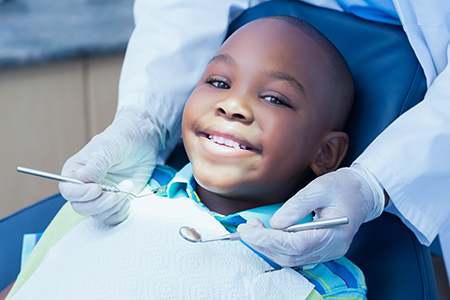
Baby teeth play a vital role in eating, speech development, and maintaining space for permanent teeth. Even though they are temporary, keeping primary teeth healthy matters for long-term dental outcomes. We encourage parents to bring infants in for an initial check around the first birthday so we can review feeding habits, discuss oral hygiene, and answer questions about teething and development.
Teething can be a challenging phase for families. We offer practical strategies to soothe sore gums and protect emerging teeth, including safe teething aids and proper cleaning techniques. For children who present with early decay or feeding-related problems, we work with parents to identify root causes and create straightforward plans to stop progression and restore oral health.
Preventive counseling for this age group also covers habits that influence dental health—sleeping with a bottle, prolonged sugary drinks, and pacifier or thumb-sucking. By addressing these behaviors early, we reduce the likelihood of early childhood caries and help guide children toward healthier patterns.
Despite the best preventive efforts, children sometimes need restorative care or urgent attention after an accident. When cavities or dental injuries occur, we focus on treatments that are predictable, comfortable, and designed to preserve tooth structure. Our team explains each step in plain language so parents understand the recommended care and children feel prepared for what will happen.
Traumatic injuries—such as a chipped or knocked-out tooth—require prompt assessment. We evaluate the situation quickly, provide pain relief, and outline next steps to protect the tooth and surrounding tissues. For injuries that happen during sports or play, proper mouthguards and timely dental assessment greatly reduce the risk of long-term complications.
When necessary, we discuss options for behavior management or sedation in a measured way, always prioritizing safety and the child’s comfort. Our clinicians will review any medical considerations and help families choose the safest approach to complete needed care.

Children’s mouths change rapidly as they grow, so ongoing monitoring of dental development and facial growth is essential. During routine exams we assess tooth eruption, bite relationships, and jaw development to spot patterns that may benefit from early intervention. Identifying concerns early often expands treatment options and can simplify future care.
Nutrition and daily habits have a major impact on oral health. We help families understand which foods and drinks support strong teeth and which are best limited. Simple adjustments—like favoring water over sugary beverages, choosing tooth-friendly snacks, and maintaining consistent brushing and flossing—make a measurable difference over time.
Oral habits such as prolonged thumb-sucking or pacifier use can influence tooth alignment if they persist beyond early childhood. When these patterns begin to affect dental development, we provide gentle, practical strategies to help children transition away from the habit. Likewise, we coordinate with orthodontic specialists when early signs suggest that timing or interceptive care could improve long-term outcomes.
Our approach to pediatric dentistry blends preventive focus, clear communication, and a commitment to creating positive experiences for children and their families. Whether you are scheduling your child’s first visit or seeking ongoing care through the teen years, our team works to make each appointment productive, comfortable, and tailored to your child’s needs.
You can rely on the office of David M. Goldberg, DDS for thoughtful guidance, careful monitoring, and treatments that balance effectiveness with a child-centered approach. We welcome the chance to support your family’s oral health journey.
Contact us to learn more about pediatric care and how we can help your child build a healthy smile for life.
Children should visit a dentist by their first birthday or when the first tooth erupts. Early visits allow clinicians to monitor development and to identify feeding or hygiene issues before they become problems. These appointments are brief and focused on education for parents and gentle examination of the mouth.
At the office of David M. Goldberg, DDS we recommend the initial visit as an opportunity to establish preventive routines and to answer caregivers' questions. The team will demonstrate cleaning techniques, review diet and pacifier or bottle use, and explain what to expect as teeth emerge. Starting dental care early helps make future visits predictable and less stressful for both children and parents.
Most children benefit from dental checkups every six months, which typically include an exam and professional cleaning. Children at higher risk of decay may need more frequent visits so clinicians can apply preventive treatments and monitor progress. During routine visits the dental team also reinforces home care habits and addresses any new concerns.
Your child's visit schedule may be adjusted based on oral development, medical history, or behavioral needs, and the care team will explain the rationale for any changes. A consistent schedule supports early detection of problems and more conservative treatment options when needed. Families who maintain regular checkups generally find that preventive measures reduce the need for more invasive care.
Common preventive treatments for children include topical fluoride applications and dental sealants to protect vulnerable biting surfaces. These measures are quick and painless and are selected based on the child’s age, risk factors, and tooth development. Professional cleanings also remove plaque and give clinicians a chance to spot early signs of decay or gum issues.
Preventive care extends to customized homecare instruction, anticipatory guidance about habits, and recommendations for safe teething and feeding practices. For active children, the practice offers fitted mouthguards to reduce the risk of sports-related dental injuries. When preventive approaches are combined with regular monitoring they substantially lower the chance of future restorative treatment.
Dental visits are made comfortable through child-centered communication, gradual introductions to instruments, and positive reinforcement throughout care. Clinicians use age-appropriate language and demonstrations so children understand what will happen and feel included in the process. These strategies help reduce fear and promote cooperative behavior during examinations and treatments.
The office environment and scheduling practices are also arranged to limit wait times and to provide a calm, welcoming atmosphere for families. Staff members are trained to recognize sensory or anxiety-related needs and to adapt their approach accordingly. When extra support is needed, the team will discuss behavior management options that prioritize safety and the child’s comfort.
Care for an infant’s mouth begins before teeth erupt: caregivers should gently clean gums with a soft cloth after feedings and avoid sharing utensils that transfer bacteria. Once teeth appear, a soft-bristled, age-appropriate toothbrush and a smear of fluoride toothpaste may be used under caregiver supervision. These early routines establish a foundation for lifelong oral care and reduce the risk of early childhood caries.
Teething discomfort can be managed with chilled teething rings, gentle gum massage, and comfort measures recommended by the dental team. Parents should avoid teething remedies that contain alcohol or benzocaine unless specifically directed by a clinician. The dental visit around the first birthday is an ideal time to review feeding habits, bottle use at bedtime, and pacifier guidance to protect emerging teeth.
If a child chips or knocks out a tooth, first steps are to remain calm, control any bleeding with gentle pressure, and locate the tooth fragment or the tooth if it has been avulsed. Handle a knocked-out permanent tooth by the crown, rinse it briefly if dirty, and keep it moist in milk or saline while arranging immediate dental care. Primary (baby) teeth that are partially or fully displaced require prompt evaluation to prevent damage to the developing permanent tooth and to manage pain or infection.
The dental team will assess the injury, take appropriate radiographs if needed, and recommend treatment that preserves oral health and function. Possible interventions range from smoothing a sharp edge to replantation of a permanent tooth or short-term stabilization, depending on the situation. Aftercare includes monitoring for signs of infection, guidance on diet and oral hygiene, and follow-up visits to ensure proper healing.
Thumb-sucking and pacifier use are normal soothing behaviors in early childhood, and most children stop on their own before their permanent teeth erupt. Concerns arise when these habits persist past age 3 to 4 or when they begin to affect tooth position or bite development. Early discussion with the dental team helps determine whether intervention is advisable and what methods will be most effective.
Gentle strategies such as positive reinforcement, gradual limits, and substituting other comfort objects can be effective for many families. In cases where the habit has altered tooth alignment, the dental team may recommend exercises, habit reminders, or a consult with an orthodontic specialist. The approach balances behavioral support with clear goals so changes are achievable and minimally disruptive for the child.
Nutrition and daily habits play a central role in a child’s oral health because frequency and type of sugars strongly influence cavity risk. Encouraging water between meals, limiting sugary or acidic drinks, and choosing tooth-friendly snacks support stronger teeth and gums. Regular brushing with fluoride toothpaste and appropriate supervision are essential complements to a healthy diet.
Parents should be mindful of bedtime bottle use, sippy cups with sugary liquids, and frequent snacking, all of which increase exposure to decay-causing bacteria. The dental team provides personalized guidance about diet and hydration and can suggest strategies to reduce cavity risk while supporting a child’s nutritional needs. Consistent routines make healthy choices easier and help protect teeth as children grow and their diets change.
An orthodontic evaluation is generally recommended by age 7 so clinicians can identify emerging problems with jaw growth, tooth eruption, or bite relationships. Early assessment does not always lead to immediate treatment, but it allows for monitoring and planning that can simplify care later on. When interceptive measures are appropriate, they can guide jaw development and reduce the complexity of future orthodontic work.
The pediatric dental team coordinates with orthodontic specialists when signs indicate that early intervention could improve long-term outcomes. Common indicators for referral include severe crowding, crossbites, prolonged thumb-sucking effects, or asymmetric jaw growth. Families receive clear explanations of options and timelines so decisions are made with a full understanding of expected benefits.
Behavior management begins with techniques such as tell-show-do, positive reinforcement, distraction, and clear, age-appropriate explanations to reduce fear and encourage cooperation. For children with sensory needs or significant anxiety the team adapts communication, pacing, and the clinical environment to promote a calmer experience. Parental involvement and preparation at home also improve outcomes for many children during dental visits.
When more support is required, the clinicians discuss safe, evidence-based options such as nitrous oxide or other sedation modalities, always considering the child’s medical history and comfort. Pre-treatment evaluations, clear consent, and careful monitoring are used to maintain a high safety standard throughout care. At the office of David M. Goldberg, DDS the priority is to match the least invasive option that achieves effective, compassionate treatment while keeping families fully informed.