Call Us Today!
(718) 347-6262


Gum disease is far more common than most people realize — the Centers for Disease Control and Prevention report that roughly half of adults over 30 show signs of periodontal disease. The encouraging news is that many cases can be prevented or effectively managed when detected early. At the office of David M. Goldberg, DDS, we focus on clear explanations, practical prevention, and personalized care to help patients protect the health and function of their smiles.
Periodontal disease starts with a simple process: bacteria in dental plaque collect along the gumline and trigger an inflammatory response. That inflammation, left unchecked, can damage the soft tissues that surround teeth and the bone that anchors them. Understanding this chain of events — plaque, inflammation, tissue breakdown — helps patients see why consistency in home care and professional maintenance matters.
Early on, the condition is often subtle. Gums may look slightly swollen or bleed intermittently, and patients may not notice pain. Because signs can be mild, many people only learn they have gum disease during a dental visit. Regular exams and periodontal assessments allow clinicians to detect trouble while treatment remains conservative and highly effective.
Recognizing the mechanics of gum disease also clarifies the goals of treatment: remove the bacterial irritants, reduce inflammation, and create conditions in which healthy tissue can reattach and heal. That framework guides how clinicians choose interventions — from non-surgical cleaning to targeted surgical procedures when necessary.
Healthy gums do more than keep teeth in place; they contribute to overall well-being. Research continues to link periodontal inflammation with systemic conditions such as cardiovascular disease, diabetes management, and respiratory health. While these connections are complex, reducing chronic oral inflammation is a meaningful step toward better general health.
For patients with underlying medical conditions, treating periodontal disease often becomes an integral part of comprehensive care. Dentists coordinate with patients and, when appropriate, with medical providers to ensure that oral treatment supports broader health goals. This collaborative approach emphasizes prevention and consistent monitoring.
At its core, prioritizing gum health preserves function, prevents tooth loss, and helps people maintain comfortable, confident smiles. That focus informs everything we do in the office, from patient education to the selection of technologies and techniques that improve outcomes.
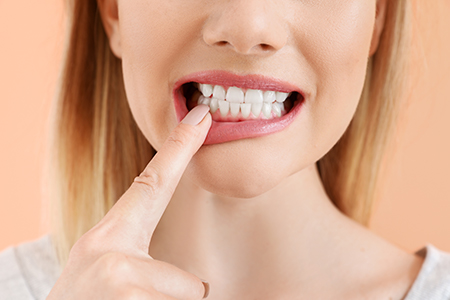
Gingivitis is the reversible, initial stage of gum disease. It typically presents with symptoms that are easy to miss unless you’re looking: gums that appear redder than usual, a tendency to bleed during brushing or flossing, or a slightly tender sensation when you touch the tissue. Bad breath that won’t resolve with routine brushing can also be an early indicator.
The good news is that gingivitis responds well to consistent care. With improved brushing and flossing technique, professional cleanings, and a short course of monitoring, the inflammation often subsides and tissue health returns. That’s why prompt attention to early signs can prevent progression to irreversible damage.
Patient education is a key part of treating gingivitis. We work with each patient to refine home care habits, discuss effective interdental cleaning methods, and tailor recall intervals so that progress can be measured and maintained over time.
If inflammation persists, gingivitis can evolve into periodontitis, a condition in which the supporting structures of the teeth — connective tissue and bone — begin to break down. This stage is characterized by deeper pockets between the teeth and gums, gum recession, and often a gradual loosening of teeth. Bite changes or a new gap between teeth can signal that structural support has been lost.
Periodontitis is staged by severity and activity. Management focuses on arresting the disease, preserving remaining structures, and restoring a stable environment for oral tissues. Treatment must address both the bacterial challenge and the body’s inflammatory response, and it often requires a sequence of interventions rather than a single one-time procedure.
Timely intervention can slow or stop further bone loss and provide the best chance to stabilize teeth. When necessary, regenerative options can rebuild lost volume and improve the prospects for long-term tooth retention or for restoring the area with implants when appropriate.

The right treatment plan depends on the stage of disease, medical history, and the patient’s goals for oral function and appearance. Generally, care falls into conservative (non-surgical) approaches and surgical therapies. Conservative care aims to eliminate bacterial deposits and reduce pocket depth using targeted cleanings and adjunctive measures, while surgery becomes an option when deeper access or tissue reconstruction is required.
Non-surgical therapies often begin with scaling and root planing — a careful cleaning below the gumline to remove plaque and tartar from root surfaces, followed by smoothing the roots so gums can reattach more easily. Adjunctive treatments, such as localized antimicrobials or short courses of systemic therapy when appropriate, can enhance bacterial control and support healing.
When disease has progressed to deeper pockets or when anatomical issues prevent successful non-surgical outcomes, periodontal surgery may be recommended. Surgical objectives include gaining access to thoroughly clean root surfaces, reducing pocket depth for easier home care, reshaping bone and soft tissues when necessary, and placing regenerative materials to encourage tissue reformation.
Early intervention prioritizes the least invasive options that restore health. Scaling and root planing is the most widely used non-surgical approach and often produces significant improvement in pocket depth and inflammation. Follow-up maintenance and improved at-home hygiene are essential to consolidate gains and prevent recurrence.
In the course of non-surgical care, clinicians will tailor recall intervals, reinforce preventive techniques, and, when indicated, use antimicrobial agents placed under the gums to reduce bacterial load. The aim is to control infection while preserving natural tissues whenever possible.
Patient participation is critical. Without consistent daily cleaning between teeth and regular professional maintenance, even excellent clinical care can have limited long-term success.
Surgical treatment is recommended when pocket depths or bone loss prevent effective cleaning by non-surgical means. Flap surgery — where the gum is temporarily lifted to permit deep cleaning and reshaping of bone — remains a reliable technique for addressing advanced disease. Sutures are placed to reposition the tissue for optimal healing.
In many cases, regenerative techniques such as bone grafts or guided tissue regeneration are used to rebuild lost support. These procedures focus on restoring anatomy to improve function and to create a more favorable environment for long-term stability.
Modern technologies, including the selective use of lasers, can complement traditional surgical care by reducing inflammation, improving visibility during procedures, and enhancing soft-tissue management when appropriate for the patient’s specific needs.

Successful periodontal care is a partnership between clinician and patient. We begin with a thorough evaluation, explain the rationale for recommended steps, and provide clear guidance for at-home care and professional maintenance. Establishing realistic goals and a follow-up schedule helps preserve results over time.
The office of David M. Goldberg, DDS emphasizes evidence-based choices and individualized plans. Whether the need is early-stage gingivitis or more advanced periodontitis, our approach balances conservative measures with advanced techniques to protect your oral health and long-term function.
If you’re concerned about bleeding gums, loosening teeth, or any other change in your oral health, please contact us to learn more about how periodontal treatment can help restore comfort and stability to your smile.
Periodontal disease, commonly called gum disease, is an inflammatory condition that affects the tissues surrounding the teeth. It begins when bacterial plaque accumulates along the gumline and triggers a host response that can damage soft tissue and bone. The Centers for Disease Control and Prevention report that roughly half of adults over 30 show signs of periodontal disease, making it one of the most prevalent oral health conditions.
Early stages, known as gingivitis, are often reversible with improved oral hygiene and professional care, while advanced periodontitis involves loss of connective tissue and bone. Treatment aims to remove bacterial irritants, reduce inflammation, and create conditions that allow healthy tissue to reattach and heal. Understanding this progression helps patients appreciate why consistent home care and regular dental maintenance are essential.
Common early signs of gum disease include gums that appear red or swollen, bleeding with brushing or flossing, persistent bad breath, and tender or sensitive tissue. Because these symptoms can be subtle, many people do not notice them until a dental professional identifies changes during an exam. Gingivitis rarely causes severe pain, which is why routine periodontal assessments are important for early detection.
If left untreated, these mild symptoms can progress to deeper periodontal pockets, gum recession, and loosening of teeth, so prompt attention is important. Your dental team can show effective brushing and interdental cleaning techniques and recommend appropriate recall intervals to monitor improvement. Addressing early warning signs often allows for conservative, non-surgical treatment and a strong chance of full recovery.
The primary cause of periodontal disease is bacterial plaque, but several risk factors increase susceptibility, including smoking, uncontrolled diabetes, and genetic predisposition. Other contributors include certain medications that reduce saliva, poorly fitting dental restorations, hormonal changes, and inadequate oral hygiene. Age and systemic health conditions can also influence how aggressively the disease develops and how it responds to treatment.
Tobacco use is one of the most significant modifiable risks because it impairs immune response and healing in the gums. Similarly, diabetes that is not well controlled can worsen periodontal inflammation and complicate treatment outcomes, creating a two-way relationship between oral and overall health. A personalized risk assessment helps clinicians tailor preventive strategies and treatment plans to each patient's unique needs.
Diagnosing gum disease involves a comprehensive clinical exam that includes periodontal probing to measure pocket depths, assessment of gum recession, and evaluation of bleeding on probing. Clinicians often supplement the exam with dental radiographs to assess bone levels and look for structural changes that are not visible clinically. A full periodontal chart records pocket depths, mobility, furcation involvement and other findings to guide treatment planning and monitor response.
Medical history, medications, smoking status and systemic conditions are reviewed because they influence both disease risk and treatment decisions. When appropriate, clinicians may use adjunctive tests such as microbial sampling or inflammatory markers to refine diagnosis and select targeted therapies. Clear communication of findings and a staged treatment plan help patients understand the rationale for recommendations and what to expect during care.
Non-surgical periodontal therapy typically begins with scaling and root planing, a thorough cleaning below the gumline that removes plaque and calculus from root surfaces. This procedure is often performed with local anesthesia for patient comfort and can significantly reduce pocket depths and inflammation when combined with improved home care. Adjunctive measures, such as locally delivered antimicrobials or a short course of systemic medication when indicated, can enhance bacterial control and support healing.
Following initial therapy, patients enter a periodontal maintenance program with more frequent professional cleanings and monitoring to prevent recurrence. Home-care instruction focusing on effective brushing, interdental cleaning and lifestyle modifications is essential to consolidate clinical improvements. For many patients, consistent non-surgical care preserves natural teeth and delays or prevents the need for surgical intervention.
Surgical periodontal care is indicated when non-surgical measures cannot adequately access deep pockets, eliminate persistent infection, or when significant bone loss needs correction. Procedures such as flap surgery allow clinicians to lift gum tissue to gain full access to root surfaces and diseased areas for thorough debridement. Surgery may also be used to reshape bone contours, reduce pocket depth, and create a more maintainable soft-tissue architecture.
Regenerative procedures, including bone grafts and guided tissue regeneration, aim to rebuild lost support and improve the prognosis for affected teeth. Biologic materials, membranes and grafting products can encourage bone and connective tissue to reform in targeted areas, enhancing long-term stability. The selective use of lasers and microsurgical techniques can complement traditional surgery by improving precision, minimizing trauma and aiding soft-tissue management when appropriate.
Recovery from periodontal surgery typically involves short-term swelling and discomfort that can be managed with prescribed aftercare and gentle oral hygiene adjustments. Clinicians schedule follow-up visits to monitor healing, remove sutures if needed, and progressively reintroduce routine cleaning as tissues stabilize. Thorough pre-operative planning and clear post-operative instructions are important to optimize outcomes and reduce the risk of complications.
Regenerative periodontal therapy focuses on restoring the anatomical structures lost to disease rather than merely halting progression. Common techniques include bone grafting, guided tissue regeneration and the use of growth factors to stimulate the body's regenerative capacity. These procedures are most successful when infection is well controlled and the patient maintains excellent oral hygiene and regular maintenance visits.
Outcomes vary based on disease severity, defect morphology and patient factors, but successful regeneration can improve tooth stability and function. Dentists carefully evaluate each case to determine realistic goals and discuss the potential benefits and limitations of regenerative options. When regeneration is not feasible, these techniques can still prepare a site for tooth replacement with implants or improve the conditions for prosthetic restoration.
Effective at-home care is the cornerstone of periodontal health and includes twice-daily brushing with a soft-bristled toothbrush and daily interdental cleaning using floss or interdental brushes. Patients should use gentle, methodical techniques to disrupt bacterial biofilm without causing trauma to the gums. Antimicrobial rinses may be recommended short-term to reduce bacterial load, but they are not a substitute for mechanical cleaning.
Professional periodontal maintenance typically involves more frequent cleanings—often every three to four months—tailored to each patient’s risk and response to treatment. Lifestyle measures such as smoking cessation, blood sugar control for diabetic patients, and regular dental visits significantly improve long-term outcomes. A partnership with your dental team, including clear recall scheduling and adherence to recommendations, helps preserve results over time.
A growing body of research links periodontal inflammation with systemic conditions such as cardiovascular disease, poor glycemic control in diabetes, and respiratory complications. Although causal pathways are complex and still under study, reducing chronic oral inflammation is a meaningful component of overall health management. Clinicians consider a patient’s systemic health when planning periodontal therapy and may coordinate care with medical providers when appropriate.
Addressing periodontal disease can improve oral comfort and function and may positively influence management of chronic health conditions by lowering inflammatory burden. Patients with systemic illnesses often benefit from a collaborative approach that aligns dental treatment goals with broader medical objectives. Open communication about medications, medical history and lifestyle supports safer, more effective periodontal care.
You should consider seeing a periodontist if your general dentist identifies deep periodontal pockets, progressive bone loss, persistent bleeding despite treatment, or if you have complex risk factors such as uncontrolled diabetes or a history of heavy smoking. Referral is also appropriate for patients who need specialized procedures such as regenerative surgery or implant-related periodontal care. Early referral often improves the chances of preserving natural teeth and achieving stable, long-term outcomes.
At the office of David M. Goldberg, DDS, our periodontal evaluation begins with a detailed exam, periodontal charting and radiographs to define the extent of disease and tailor a staged treatment plan. We explain recommended steps, review home-care techniques, and coordinate any necessary medical consultations to ensure a comprehensive approach to your oral health. Knowing what to expect at the first visit can reduce anxiety and help patients actively participate in decisions about their care.