Call Us Today!
(718) 347-6262


If your dentist has recommended a root canal, try not to worry — modern root canal therapy is a routine procedure designed to relieve pain and preserve the structure of a natural tooth. Advances in instruments, techniques, and anesthesia make treatment predictable and comfortable for most patients. In many cases, root canal therapy is the best way to stop an infection, eliminate a persistent toothache, and maintain the function and appearance of your smile.
At the office of David M. Goldberg, DDS, our team combines careful diagnosis with gentle clinical care to help patients move from discomfort to recovery. We focus on clear explanations and steady support so you understand each step of treatment and feel confident in the decisions that protect your long-term oral health.
When the soft tissue inside a tooth — the dental pulp — becomes inflamed or infected, leaving the problem untreated can lead to worsening pain, spreading infection, and ultimately the loss of the tooth. Root canal therapy removes the damaged tissue, disinfects the inner spaces, and seals the canals to prevent reinfection. Preserving the natural tooth helps maintain bite alignment, chewing efficiency, and the overall balance of your mouth.
Choosing to save a tooth often avoids the need for more involved restorative options later on. A properly treated and restored tooth can function for many years and often looks and feels like a healthy, natural tooth. Our goal is to provide care that relieves symptoms quickly while setting the stage for a durable restoration.
We also emphasize minimally invasive techniques and precision diagnostics. By using up-to-date imaging and careful planning, we tailor treatment to each tooth’s anatomy and the patient’s comfort needs, improving outcomes and recovery.

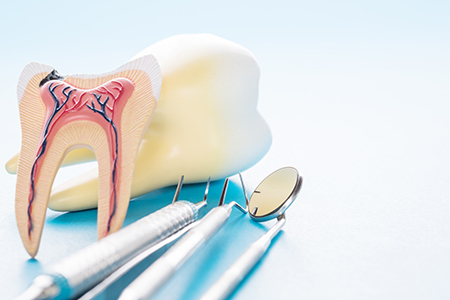
Teeth are composed of several layers: the hard outer enamel, the dentin beneath it, and the inner pulp that contains nerves and blood vessels. When decay, trauma, cracks, or repeated dental work allow bacteria to reach the pulp, the tissue can become inflamed or infected. Because the pulp sits inside a confined space, swelling and infection often produce significant pain and may spread to the surrounding bone if left unaddressed.
Not every sore tooth needs a root canal, but certain signs suggest the pulp has been compromised and requires attention. Identifying these warning signals early allows us to intervene before the condition worsens and to plan treatment that protects both the tooth and the tissues around it.
Below are some common indicators that a tooth may need root canal therapy. If you experience any of these symptoms, schedule an evaluation so we can determine the underlying cause and recommend the appropriate care.
Persistent pain, especially pain that intensifies at night or when you lie down, can indicate inflammation or infection of the pulp. This type of discomfort is often distinct from typical sensitivity and may not respond to home remedies.
When hot or cold foods and drinks trigger sharp, lingering pain, the nerve tissue inside the tooth may be affected. Sensitivity that persists after the stimulus is removed often signals a need for professional evaluation.
Discomfort while chewing or when the tooth is touched can mean the pulp is compromised or an infection is present. Patients commonly report that biting produces a distinct, localized pain.
A tooth that darkens over time after an injury or as a result of internal changes may reflect loss of vitality. Discoloration alone does not always require a root canal, but it is a sign we will investigate closely.
Fractures or chips can expose the inner tissues to bacteria and compromise the strength of the tooth. Sometimes the pulp becomes irreversibly affected and root canal therapy is needed to preserve the tooth.
Swelling near the affected tooth or a small draining bump on the gum (a sinus tract) suggests an abscess or localized infection. These signs usually require prompt treatment to prevent spread of infection.
Infections that reach the supporting bone can reduce its stability and cause mobility. Successful root canal treatment combined with appropriate restoration can often halt the process and allow healing.

When the pulp is infected, bacteria can extend through the root tip into the jawbone and adjacent tissues. Early intervention limits the spread of infection, reduces the chance of complications, and typically results in a more straightforward procedure. A tooth that receives timely care is more likely to be preserved and restored successfully.
In some cases, a tooth may show few or no symptoms even though radiographic changes suggest a chronic process. Regular dental exams and timely imaging allow us to detect these issues earlier, often before a patient feels severe symptoms, and to recommend conservative treatment that protects long-term oral health.
Delaying treatment can increase the risk that a tooth becomes non-restorable or that an infection impacts surrounding teeth and tissues. Our practice emphasizes clear communication about diagnosis and options so patients can make informed choices without unnecessary delay.
Root canal therapy begins with a careful exam and diagnostic imaging to map the tooth’s anatomy and locate any areas of infection. Most procedures are performed with effective local anesthesia to ensure you are comfortable throughout. For patients who experience dental anxiety, we offer dental sedation options to help create a calm, manageable experience.
The dentist creates a small access opening to reach the pulp chamber, then removes the diseased tissue and cleans the root canal system using specialized instruments and disinfecting solutions. The canals are shaped to allow thorough cleaning and are then filled with a biocompatible material to seal the spaces and prevent recontamination.
Depending on the tooth’s complexity and the presence of infection, treatment may be completed in one visit or across multiple appointments. After the internal work is finished, the tooth typically receives a temporary filling and is scheduled for a permanent restoration — most often a crown — to restore strength and function.
At the office of David M. Goldberg, DDS, we prioritize both comfort and clarity during recovery. After treatment, it is normal to experience mild soreness or sensitivity for a few days while surrounding tissues heal. Over-the-counter pain relievers typically manage this comfortably, and we will advise you on an appropriate care plan tailored to your needs.
Follow-up care includes placing a permanent crown or other suitable restoration to protect the treated tooth. Until the final restoration is in place, the tooth can be more susceptible to fracture, so patients are encouraged to avoid hard or chewy foods on that side and to use caution while chewing.
Ongoing oral hygiene and regular dental visits help ensure the long-term success of root canal therapy. Brushing, flossing, and routine professional exams reduce the chance of future problems and support the health of both treated and natural teeth. With proper maintenance, a tooth that has undergone root canal treatment can remain functional for many years.
If you have symptoms that concern you, have noticed a change in a tooth, or if your dentist has recommended root canal therapy, we encourage you to contact our office to schedule an evaluation. Our team will answer your questions, explain your options, and help you move forward with confident, compassionate care.
A root canal is a dental procedure that removes inflamed or infected tissue from inside a tooth to relieve pain and stop the spread of infection. The goal is to preserve the natural tooth structure and maintain normal chewing function. By cleaning and sealing the root system, the treatment reduces the risk of further damage to adjacent teeth and supporting bone.
Modern root canal therapy uses precise instruments and imaging to follow the tooth's anatomy and reach infected areas effectively. At the office of David M. Goldberg, DDS, clinicians focus on gentle techniques and clear explanations to make the process predictable and comfortable. When successful, the treated tooth can function like a healthy natural tooth for many years.
Several signs commonly indicate that the dental pulp may be compromised, including ongoing or severe tooth pain, heightened sensitivity to hot or cold that lingers, and pain when biting or applying pressure. Other warning signs include discoloration of a tooth, visible cracks or chips, swelling or a pimple on the gums, and loosening of the affected tooth. Sometimes a tooth may show few symptoms while X-rays reveal changes that suggest a chronic infection.
If you experience any of these symptoms, schedule an evaluation so your dentist can perform a clinical exam and take appropriate imaging. Early diagnosis often allows for more conservative treatment and a higher chance of saving the tooth. Prompt evaluation also reduces the likelihood that the infection will spread to surrounding tissues.
A root canal visit begins with a thorough exam and diagnostic imaging to map the tooth's internal anatomy and locate infection. Local anesthesia is used to numb the area, and patients who experience anxiety may be offered sedation options to help them remain comfortable. The dentist then creates a small access opening, removes diseased pulp tissue, cleans and shapes the canal system, and disinfects the space with specialized solutions.
After cleaning, the canals are filled with a biocompatible material and sealed to reduce the risk of reinfection. Depending on complexity, treatment may be completed in one appointment or over multiple visits, and a temporary filling is placed until a permanent restoration is scheduled. A final restoration, often a crown, restores strength and function to the treated tooth.
Root canal therapy is performed under local anesthesia, which numbs the tooth and surrounding tissues so patients typically feel little to no pain during the procedure. Modern instruments, techniques, and careful anesthesia management make the treatment predictable and comfortable for most people. For those with dental anxiety, sedation options can further reduce discomfort and stress.
After the procedure, mild soreness or sensitivity for a few days is normal as surrounding tissues heal, and over-the-counter pain relievers usually manage this effectively. If pain increases or persists beyond the expected recovery period, patients should contact the office for follow-up evaluation. Prompt communication helps address complications early and supports a smooth recovery.
After a root canal, follow your dentist's instructions for oral hygiene and temporary restoration care, which typically includes avoiding hard or sticky foods on the treated side until a permanent restoration is placed. Maintain regular brushing and flossing to support healing and prevent new decay around the treated tooth. Use any prescribed medications as directed and manage soreness with recommended over-the-counter remedies if needed.
Return to the office for the scheduled permanent restoration, usually a crown, to protect the tooth from fracture and restore full function. Keep up with routine dental visits so your dentist can monitor healing and the integrity of the restoration. With consistent care, a root-canaled tooth can remain functional and healthy for many years.
Not every tooth requires a crown after root canal therapy, but many do, especially molars and premolars that endure heavy chewing forces. A crown provides structural support and reduces the risk of fracture because a treated tooth can become more brittle after internal cleaning and filling. Front teeth with minimal stress may be restored with a filling or bonded restoration instead of a full crown.
The decision depends on tooth location, remaining tooth structure, and the extent of previous damage or decay. Your dentist will evaluate these factors and recommend the restoration that best protects the long-term function and appearance of the tooth. Timely placement of the final restoration improves the prognosis of root canal treatment.
When a tooth's pulp is irreversibly compromised, the main alternatives are extraction of the tooth or, in very select cases, monitoring if symptoms and imaging do not indicate active infection. Extraction removes the source of infection but creates a gap that may require a restorative replacement such as an implant, bridge, or partial denture to maintain chewing function and prevent shifting of adjacent teeth. Each restorative option has its own clinical considerations and implications for oral health.
Choosing an alternative involves weighing the benefits of preserving the natural tooth against the condition of the tooth, surrounding bone, and the patient's overall oral health. Your dentist can discuss the likely outcomes and help you select the option that best meets your long-term needs. In many cases, successful root canal treatment is the most conservative way to maintain a natural tooth.
Root canal therapy has a high success rate, but failures can occur due to missed canals, complex anatomy, new decay, or reinfection around the root tip. Signs of a failing root canal include renewed or persistent pain, swelling, a draining sinus tract on the gum, tenderness to biting, or radiographic evidence of continuing bone loss. Some failures develop months or years after treatment and may be asymptomatic until discovered on an X-ray.
If a treated tooth shows signs of failure, options include retreatment, endodontic surgery to address the root tip, or extraction with appropriate restoration. Early detection through regular exams and imaging improves the range of available treatments and the likelihood of success. Consult your dentist promptly if you notice any concerning symptoms near a previously treated tooth.
Preparation for a root canal is straightforward: bring a list of medications and medical history, follow any pre-appointment instructions regarding sedation if it is planned, and arrange for transportation if necessary. Eat a light meal unless your dentist advises otherwise, and arrive with questions about the procedure, recovery, and restoration timeline so you understand each step. If you experience severe pain or swelling before the appointment, notify the office so they can prioritize urgent care as needed.
Discuss any concerns about anxiety or medical conditions with your dental team ahead of time so accommodations can be arranged. The practice will review the treatment plan, explain anesthesia or sedation choices, and confirm follow-up appointments for the final restoration. Clear communication before the visit helps ensure a safe and comfortable experience.
A common myth is that root canals cause illness elsewhere in the body; however, modern research does not support that claim and shows that treating an infected tooth reduces systemic infection risk. Another misconception is that root canals are always extremely painful; in reality, the procedure typically relieves the severe pain caused by the infection and is performed with effective anesthesia to minimize discomfort. Advances in endodontic techniques and materials have made treatment more predictable and comfortable than in the past.
Ask your dentist for evidence-based information if you encounter alarming or inaccurate statements about root canal therapy. Reliable sources and a clear explanation from your dental provider can help you make informed decisions about treatment. If you have specific health concerns, your dentist can coordinate care with your physician to ensure a safe plan.