Call Us Today!
(718) 347-6262


Restful sleep is a foundation for everyday health — it affects mood, focus, metabolism, and long-term well-being. Yet many adults live with disrupted sleep without realizing why. Roughly 25 million adults in the United States are affected by obstructive sleep apnea, and countless more experience disruptive snoring. At the office of David M. Goldberg, DDS, our team screens for sleep-related breathing problems and offers dental sleep solutions that help patients and their families reclaim safer, more restorative nights.
Obstructive sleep apnea (OSA) occurs when soft tissues in the throat relax during sleep and partially or completely block the airway. When airflow is interrupted, oxygen levels can drop and the brain briefly rouses the body to reopen the airway — often without a person remembering these events. This cycle can repeat many times a night, fragmenting sleep and preventing deep, restorative stages.
OSA is distinct from central sleep apnea, which involves disrupted signals between the brain and respiratory muscles. For most dental patients, the obstructive form is the main concern because anatomical factors — such as jaw position, tongue size, and the structure of the airway — play a large role. These are elements dentists are well suited to evaluate as part of a coordinated care plan.
Risk factors that increase the likelihood of OSA include excess weight, a narrow airway, a large tongue or tonsils, nasal obstruction, and advancing age. Men have historically been diagnosed more often than women, but OSA can affect adults of any gender and can present differently across individuals.
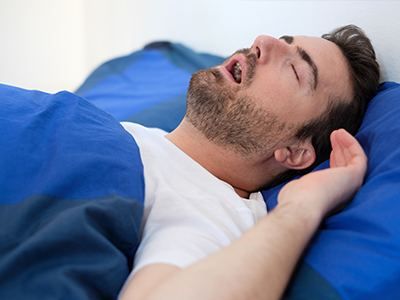
Many people first learn they have a sleep-breathing problem because a bed partner notices loud, persistent snoring or pauses in breathing during the night. Other nighttime signs include frequent awakenings, choking or gasping sounds, and unusually restless sleep. Because these events can happen without full awakenings, sufferers may be unaware of how often they occur.
Daytime symptoms are equally important to watch for. Excessive daytime sleepiness, difficulty concentrating, memory lapses, and unexplained irritability are common complaints. Some people report morning headaches, dry mouth upon waking, or a persistent feeling of unrefreshed sleep despite spending adequate time in bed.
Beyond immediate symptoms, untreated sleep apnea can raise the risk of other health concerns, such as high blood pressure, impaired glucose control, and cardiovascular strain. This is why early recognition and appropriate evaluation are essential — addressing the breathing disturbance can improve sleep quality and overall health.
Diagnosis typically begins with a clinical evaluation and screening questionnaires, followed by a sleep study when indicated. Sleep studies measure breathing patterns, oxygen levels, heart rate, and body position during sleep. These tests may be performed in a laboratory setting or, in selected cases, with validated home sleep testing devices under physician guidance.
Dentists play an important role in identifying patients who should be evaluated for sleep apnea. During routine exams we look for anatomical signs — crowded teeth, a retruded jaw, large tonsils, or evidence of teeth grinding — that can suggest an elevated risk. When screening suggests the possibility of sleep-disordered breathing, we collaborate with sleep physicians and ENT specialists to coordinate testing and diagnosis.
The sleep study results, together with medical history and daytime symptoms, help determine the severity of OSA and guide treatment choices. A collaborative approach — where dental care supports medical management — produces the best outcomes for many patients.
Continuous positive airway pressure (CPAP) remains the most commonly prescribed medical therapy for moderate to severe OSA. The device delivers a steady stream of pressurized air through a mask, preventing airway collapse while you sleep. Many patients benefit greatly from CPAP when they can tolerate and use it consistently.
For people with mild to moderate OSA or for those who cannot tolerate CPAP, oral appliances designed by dental professionals are a proven alternative. Worn in the mouth during sleep, these devices reposition the lower jaw and tongue to increase airway space and reduce collapse. They are custom-made and adjustable to balance comfort with therapeutic effect.
Other treatment approaches — including positional therapy, nasal obstruction management, weight loss, and, in some cases, surgical interventions — may be appropriate depending on each patient’s anatomy and medical profile. Our office works closely with your physician to help select an individualized plan that prioritizes safety and long-term adherence.
Whichever path is chosen, the shared goals are the same: reduce the frequency and duration of breathing interruptions, improve sleep continuity, restore daytime function, and lower the health risks associated with untreated sleep apnea.
When a custom oral appliance is recommended, the process begins with a thorough dental assessment. We document your bite, examine tooth and jaw relationships, and take precise impressions or digital scans. These records allow a specialist dental laboratory to fabricate a device tailored to your mouth, ensuring a secure fit and comfortable wear.
Modern oral appliances are adjustable, allowing gradual titration to achieve the best balance between symptom relief and comfort. After delivery, we schedule follow-up visits to monitor symptom improvement, assess jaw comfort, and make small adjustments as needed. Successful therapy often depends on careful calibration and ongoing communication between patient, dentist, and physician.
Long-term maintenance is part of effective dental sleep medicine. Appliances require periodic checks for wear, and oral health should be monitored to prevent unwanted dental changes. Our practice emphasizes preventive follow-up so the appliance continues to support healthy breathing without compromising dental stability.
For patients who travel, prefer a low-profile solution, or require an option compatible with other medical devices, oral appliances offer portability and discretion. While not appropriate for every case, they are an important, evidence-based tool in the broader treatment toolbox for sleep-related breathing disorders.
If you suspect you or a family member is struggling with snoring, pauses in breathing during sleep, or unrefreshing sleep, we can help with an initial evaluation and, if appropriate, coordinate next steps with sleep medicine specialists. Contact us to learn more about dental sleep options and to arrange an assessment with our team.
Obstructive sleep apnea, or OSA, is a sleep-related breathing disorder in which the upper airway partially or completely collapses during sleep. These repeated obstructions reduce airflow and can cause brief awakenings that fragment sleep and lower blood oxygen levels. Over time, this disrupted breathing interferes with restorative sleep stages and can lead to daytime sleepiness and other health effects.
OSA is distinct from central sleep apnea, which arises from irregular signals from the brain to the breathing muscles. For dental patients, the obstructive form is most relevant because anatomical features such as jaw position, tongue size, and airway shape often contribute to obstruction. Dentists can identify many of these anatomical clues during a routine exam and coordinate with sleep physicians for further evaluation.
Nighttime signs often include loud, chronic snoring, observed pauses in breathing, choking or gasping episodes, and restless sleep. These events may happen many times an hour and often occur without the sleeper's awareness. Bed partners are frequently the first to notice these disturbances.
Daytime consequences include excessive sleepiness, difficulty concentrating, morning headaches, and a persistent feeling of unrefreshed sleep. Some patients also report dry mouth on waking or new teeth grinding that can indicate disrupted breathing during sleep. Because symptoms vary, a clinical assessment is important when these signs are present.
Risk factors for obstructive sleep apnea include excess weight, a narrow or crowded airway, a large tongue or enlarged tonsils, and nasal obstruction. Age and being male historically increase risk, but OSA affects adults of any gender and can present differently in women. A family history of sleep apnea and certain craniofacial features also raise the likelihood of airway collapse during sleep.
Lifestyle factors such as alcohol or sedative use before bedtime, smoking, and poor sleep habits can worsen breathing disturbances. Medical conditions like hypothyroidism and neuromuscular disorders may also contribute to sleep-disordered breathing. A comprehensive evaluation helps identify which factors are most relevant for each patient.
Evaluation typically starts with a clinical screening that reviews symptoms, medical history, and an oral examination to look for anatomical risk factors. Validated questionnaires and reports from bed partners can help determine the need for objective testing. When indicated, a sleep study measures breathing patterns, oxygen levels, heart rate, and body position during sleep.
Sleep testing may be performed in a sleep laboratory or with an approved home sleep testing device under physician supervision, depending on case complexity. Dentists identify patients who should be referred for testing and work closely with sleep physicians and ENT specialists to interpret results. Diagnosis combines test findings with daytime symptoms to determine severity and guide treatment decisions.
Continuous positive airway pressure, or CPAP, is the most commonly prescribed therapy for moderate to severe OSA and works by splinting the airway open with pressurized air during sleep. Many patients benefit from CPAP when they can tolerate and use it consistently. For those who cannot tolerate CPAP, other evidence-based alternatives are available.
These alternatives include custom oral appliances that reposition the lower jaw, positional therapy to avoid supine sleep, management of nasal obstruction, and lifestyle interventions such as weight management. In select cases surgery may be considered to correct anatomical causes of obstruction when recommended by a specialist. A coordinated plan between dental and medical providers helps match the right therapy to each patient's needs.
Oral appliances are custom-made devices worn in the mouth during sleep that advance the lower jaw and stabilize the tongue to maintain an open airway. They reduce airway collapse and are especially effective for many patients with mild to moderate OSA or primary snoring. Appliances are fabricated from detailed dental impressions or digital scans to ensure comfort and fit.
Ideal candidates include patients who have been diagnosed with mild to moderate OSA, those with positional OSA, and individuals who cannot tolerate CPAP therapy. Because treatment success depends on proper fit and ongoing adjustment, collaboration with a dentist experienced in dental sleep medicine is essential. A sleep physician remains part of the care team to confirm effectiveness and monitor overall health outcomes.
Dentists screen for anatomical and dental signs that may indicate elevated risk for sleep-disordered breathing during routine exams. When screening suggests possible OSA, dentists refer patients for sleep testing and collaborate with sleep physicians and ENT specialists on diagnosis and treatment planning. For patients using oral appliances, the dentist designs, fits, titrates, and monitors the device to balance efficacy and oral health.
Regular dental follow-up evaluates appliance fit, checks for tooth movement or bite changes, and addresses jaw comfort or temporomandibular joint symptoms. Dentists also educate patients on device care, side effects, and what improvements to expect in symptoms. This dental-medical partnership helps optimize outcomes and long-term adherence.
Patient-reported improvements such as reduced snoring, fewer nighttime awakenings, and better daytime alertness are important early indicators of benefit. Objective assessment often involves follow-up sleep testing or pulse oximetry to confirm reductions in apnea events and improvements in oxygen saturation. Your sleep physician will interpret these results alongside symptom changes to determine treatment effectiveness.
Ongoing dental evaluations ensure the appliance remains stable and comfortable while checking for any dental changes that could affect therapy. If symptoms persist, the device can be adjusted, refitted, or alternative therapies can be explored in collaboration with medical providers. Long-term monitoring supports both health outcomes and dental stability.
The fitting process begins with a thorough dental assessment, including records of your bite and precise impressions or digital scans to create a custom device. Once the appliance is fabricated, you will receive instruction on insertion, removal, nightly use, and cleaning to support safe wear. Initial follow-up visits focus on comfort, jaw positioning, and gradual titration to reach an effective therapeutic position.
After symptoms improve, periodic visits are recommended to inspect the appliance for wear and to monitor oral health and bite alignment. Dental checks also identify any side effects early, such as tooth movement or jaw discomfort, and allow for timely adjustments. Maintaining communication with your sleep physician completes the care loop and ensures medical and dental goals remain aligned.
Seek an evaluation if you or a bed partner notices loud snoring, witnessed breathing pauses, gasping during sleep, or if you experience daytime sleepiness and concentration problems. Early assessment matters because untreated sleep apnea increases the risk of cardiovascular and metabolic complications over time. Prompt evaluation allows for timely diagnosis and intervention to improve sleep quality and overall health.
At the office of David M. Goldberg, DDS in Bellerose, we screen for anatomical signs of sleep-disordered breathing during routine dental exams and work with sleep physicians to coordinate testing and treatment when needed. If an oral appliance is appropriate, our team provides custom fabrication, careful titration, and regular follow-up to support effective, long-term therapy. Contact our office to schedule an evaluation if you suspect sleep apnea or have questions about dental sleep options.