Call Us Today!
(718) 347-6262


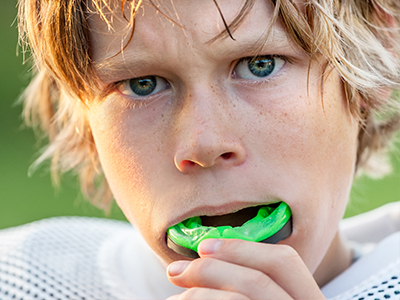
Sports and recreation bring obvious benefits — fitness, teamwork, and confidence — but they also carry a risk of dental and facial injuries. A direct blow to the mouth can chip or knock out teeth, lacerate soft tissues, or cause jaw injuries that require complex dental care. Worn consistently during practices and games, a properly fitted mouthguard significantly lowers the likelihood of these kinds of injuries and helps athletes keep their natural smile intact.
Protection isn’t only for high-contact sports. Many injuries occur in activities that involve sudden movement, falls, or fast-moving objects, such as skateboarding, cycling, basketball, and baseball. Young athletes are particularly vulnerable because their coordination and reaction times are still developing. A mouthguard is a simple piece of protective equipment that can make a major difference when an accident happens.
Beyond immediate physical protection, mouthguards can help minimize long-term dental consequences. Preventing tooth fractures and tooth loss preserves chewing function, speech, and appearance — all of which affect quality of life. In short, investing a little time to select and wear the right mouthguard pays dividends in safety and confidence on and off the field.
There are three common categories of mouthguards available: stock (ready-to-wear), boil-and-bite, and custom-fabricated. Stock mouthguards come pre-formed and are the least adaptable; they are inexpensive and provide basic coverage but often feel bulky and may not stay in place. Boil-and-bite guards are softened in hot water and then molded over the teeth for a better fit; they represent a middle ground in terms of comfort and protection.
Custom-fabricated mouthguards are created specifically for an individual’s mouth by a dental professional. Because they are made from a detailed impression or digital scan, they offer the closest adaptation to your bite and are generally the most comfortable and secure. This precision fit enhances protection and reduces the tendency to clench, which can improve breathability and speech during athletic activity.
Each option has trade-offs between convenience, comfort, and performance. For recreational athletes who play infrequently, a boil-and-bite guard may be appropriate. For competitive players, contact-sport participants, or anyone with dental restorations or ongoing orthodontic care, a custom guard typically provides superior protection and long-term value.
A custom mouthguard begins with a careful evaluation of your mouth and sporting needs. During the appointment, the dental team reviews your bite, checks for existing dental work, and discusses how and when you play. For many patients the process involves taking a quick, accurate impression of the upper teeth or using an intraoral scanner to capture a digital model — both methods let the laboratory fabricate a guard that matches your anatomy precisely.
The lab uses resilient, medical-grade materials and layered construction to balance shock absorption with durability. When the finished device is returned, the dentist checks fit and comfort, makes any small adjustments, and explains how to insert and remove the guard correctly. A properly fitted custom mouthguard stays securely in place without excessive bulk and allows for normal breathing, speaking, and hydration during activity.
Follow-up is straightforward: the dental team will confirm that the guard performs well in play and will advise on replacement timing based on wear or changes in a young athlete’s mouth. This hands-on approach — fit, verification, and adjustment — is why many players and clinicians prefer custom devices for ongoing protection.
Not all mouths are the same, and certain dental conditions require special attention. Athletes with braces, for example, need mouthguards designed to accommodate wires and brackets while still providing cushioning and stability. A custom guard can be shaped to cover orthodontic appliances without interfering with treatment progress, reducing the risk of soft-tissue injury caused by brackets during impact.
Players with implants, crowns, or bridges also benefit from a tailored approach. These restorations might alter how forces are distributed in the mouth; a custom guard helps ensure even load distribution to protect both natural teeth and prosthetic work. For children and adolescents, periodic reassessment is important because growth and tooth eruption can quickly change the fit of a mouthguard.
Different sports and even positions within the same sport can influence the optimal design. For example, a hockey goalie’s guard may prioritize maximal facial coverage while a soccer player might prefer a slimmer profile for easier breathing and communication. Discussing the specific demands of the sport with your dental provider helps match the mouthguard’s design to real-world needs.
Maintaining a mouthguard is simple but essential. After each use rinse the device with cool water and brush it gently using a soft toothbrush and mild soap or toothpaste to remove saliva and debris. Store the guard in a ventilated case to keep it dry and to prevent bacterial growth. Avoid leaving it in direct sunlight, a hot car, or near heat sources, as high temperatures can warp the material and compromise its protective properties.
Inspect the guard regularly for signs of wear, holes, thinning, or changes in fit. If you notice discoloration, persistent odor, or if the device no longer seats comfortably, it’s time to consult your dentist. For growing athletes, check the fit every few months — a guard that was snug at the start of a season may become loose as new teeth come in or as the jaw develops.
Routine dental visits provide a good opportunity to have the mouthguard evaluated alongside overall oral health. Your dental team can refresh cleaning guidance, make small adjustments if needed, and recommend replacement intervals based on usage patterns and material performance. With proper care, a well-made mouthguard offers reliable protection for the duration of its service life.
Sports mouthguards are a straightforward, effective way to protect teeth, soft tissues, and dental work while staying active. Choosing the right type of guard — and ensuring a good fit — can reduce the likelihood of traumatic dental injuries and give athletes the confidence to perform without unnecessary worry. Custom mouthguards, in particular, balance comfort and protection for players who demand the best fit and function.
The office of David M. Goldberg, DDS offers professional guidance on selection, fitting, and care to help every patient — from youth athletes to adults — find the mouthguard that suits their sport and lifestyle. Whether you’re exploring options for a child in youth sports or updating a guard during orthodontic treatment, expert input can simplify the process and improve outcomes.
If you have questions about sports mouthguards or would like to discuss which option is right for you or your athlete, please contact us for more information. We’re here to help you protect your smile while you pursue the activities you love.
Sports mouthguards reduce the risk of dental and soft-tissue injuries by absorbing and dispersing impact forces that otherwise concentrate on teeth and gums. Wearing a properly fitted mouthguard lowers the chances of chipped, fractured, or avulsed teeth and can prevent cuts to the lips, cheeks and tongue during collisions or falls. For younger athletes, mouthguards also help protect developing teeth and the structures that support them while coordination and reaction time are still improving.
Beyond immediate protection, mouthguards can limit damage to dental restorations such as crowns and bridges by controlling how impact forces travel through the mouth. Preventing these traumatic events helps maintain chewing function, speech clarity and facial appearance over the long term. Consistent use during practices and games is the most effective way to preserve oral health while participating in sports.
The three main categories are stock (ready-to-wear), boil-and-bite, and custom-fabricated mouthguards, each offering a different balance of convenience, fit and protection. Stock guards are inexpensive and immediately available but are often bulky and do not adapt well to an individual mouth. Boil-and-bite options improve fit by molding to the teeth after softening in hot water, but they still lack the precision of a custom device and can vary in comfort and retention.
Custom-fabricated mouthguards are made from an impression or digital scan of the athlete’s mouth and provide the closest adaptation to the bite, which enhances protection and comfort. Their layered construction and medical-grade materials improve shock absorption and durability, making them well suited for competitive or contact-sport athletes. The choice depends on frequency of play, level of contact and individual dental needs, with custom guards offering the best long-term fit and performance.
A custom mouthguard begins with an evaluation of the athlete’s mouth, bite and sporting demands so the device can be tailored to real-world use. The dentist takes a quick impression or uses an intraoral scanner to capture a precise model, which is sent to a dental laboratory to fabricate a guard from resilient, layered materials. The process prioritizes a snug fit that minimizes bulk while allowing normal breathing, speaking and hydration during activity.
When the finished mouthguard returns from the lab, the dentist checks fit and comfort and makes any minor adjustments needed for retention and function. The team will show proper insertion, removal and storage techniques and set expectations for follow-up checks during the season. This hands-on approach ensures the guard performs reliably in play and can be modified if issues arise.
Yes, athletes with braces, brackets or fixed appliances should wear specially designed mouthguards to protect soft tissues and teeth from impact-related injury. A custom mouthguard can be relieved and contoured to accommodate wires and brackets while still providing cushioning and stability, reducing the risk of lacerations and appliance damage. Boil-and-bite guards may provide some protection, but they do not offer the same level of tailored coverage and may impinge on orthodontic work.
For players with crowns, bridges or implants, a custom approach helps distribute forces more evenly across the dental arch to protect both natural teeth and restorative work. The dental provider will evaluate existing restorations and plan a design that minimizes stress concentrations. Regular reassessment is important as treatment progresses or restorations age to ensure ongoing protection.
Daily care is simple but essential: rinse the mouthguard with cool water after each use and brush it gently with a soft toothbrush and mild soap or toothpaste to remove saliva and debris. Allow the device to dry fully before storing it in a ventilated case to reduce bacterial growth and unpleasant odors. Avoid exposing the mouthguard to high heat, direct sunlight or hot cars, as elevated temperatures can warp the material and reduce protective properties.
Perform routine visual inspections for holes, thinning, discoloration or persistent odor, and consult your dental team if you observe any of these signs. Periodic professional checks during dental visits let your provider confirm fit and make small adjustments if needed. Proper cleaning and storage extend service life and help maintain a hygienic device for every use.
Replace a mouthguard if you see visible wear, holes, thinning, or if it no longer seats comfortably and securely in the mouth. Discoloration or a persistent odor that cannot be cleaned away is an additional indicators that the device should be examined and likely replaced. For children and adolescents, fit should be reassessed every few months because eruption of new teeth and jaw growth can quickly change how a guard fits.
Athletes who play frequently or engage in high-impact sports may need replacement more often due to material fatigue from repeated forces. Routine dental visits provide an ideal opportunity to have the mouthguard evaluated alongside overall oral health. Your dental team can recommend replacement timing based on observed wear and the athlete’s activity level.
A well-designed mouthguard should allow normal breathing and reasonable speech so the athlete can communicate, hydrate and perform effectively. Custom-fabricated guards are thinner and more closely adapted to the bite than many stock devices, which reduces bulk and interference with the airway and tongue movement. Proper retention prevents excessive migration that can disrupt breathing or require frequent repositioning during play.
If an athlete experiences difficulty breathing, speaking or drinking with a mouthguard in place, they should stop play and have the device evaluated for fit and design. Simple adjustments to contours or thickness often resolve these issues without sacrificing protection. Discussing sport-specific demands with your dental provider helps select or modify a design that balances protection with functional comfort.
Parents should consider the child’s age, the level of contact in the sport, whether the child has braces or dental restorations, and how often the child will participate when choosing a mouthguard. For young athletes who are still growing, a snug but not overly tight fit is important, and periodic reassessment during growth spurts will ensure continued protection. Ease of cleaning and the child’s willingness to wear the device consistently are also critical for effective injury prevention.
For competitive or high-contact youth sports, investing in a custom-fabricated mouthguard can provide superior protection and comfort, which encourages regular use. In less intensive or occasional recreational play, a properly fitted boil-and-bite guard may be a practical alternative. Discuss your child’s specific needs with a dental professional to match the guard design to their sport and stage of dental development.
Mouthguards help distribute and absorb impact forces so that stress on individual teeth, restorations and implants is reduced during trauma. By controlling how energy travels through the jaw and dentition, a well-fitted guard lowers the likelihood of fractures, loosening or displacement of crowns, bridges and implant-supported teeth. This protective effect preserves both natural dentition and restorative work, reducing the risk of complex, invasive repairs after an injury.
Custom mouthguards are particularly effective for patients with restorations because they can be designed to balance occlusal contacts and minimize concentrated loads. Your dentist will evaluate existing dental work and craft a guard that accommodates prosthetic margins or implant positions. Regular monitoring ensures the device continues to protect restorations as conditions change over time.
To arrange a custom mouthguard fitting, contact the office of David M. Goldberg, DDS to discuss your sport, frequency of play and any existing dental considerations such as braces or restorations. The dental team will schedule an evaluation where they will review your needs, capture an impression or digital scan, and plan a guard design tailored to your anatomy and athletic demands. This appointment also covers care instructions, follow-up checks and guidelines for seasonal reassessment.
Bringing information about the type of helmet or other protective equipment you use can help the team refine the guard’s shape and thickness for optimal compatibility. After the laboratory fabricates the device, a final appointment confirms fit and function and the provider makes any necessary adjustments. This personalized process helps ensure the mouthguard performs reliably during practices and competition.